
Rob Brydon hair transplant rumours have circulated for years, and many observers believe he likely had treatment to restore a thinning hairline. Based on public appearances and media discussion, the change seems gradual and natural rather than sudden, which is often consistent with modern hair restoration.
For readers wondering whether Rob Brydon had a transplant, there is no widely cited medical confirmation detailing every step of any procedure. Still, his hair transformation is frequently mentioned as an example of how discreet treatment can improve density while keeping a believable, age-appropriate look.
Rob Brydon Hair Transplant Story
Rob Brydon has long been a familiar face on British television, so changes in his appearance have naturally drawn attention from fans and entertainment writers. According to reports and public commentary, interest in his hair grew when viewers noticed that his hairline appeared fuller than it had in earlier years. That observation led to speculation that he may have chosen surgical hair restoration, particularly because the improvement looked structured and sustained rather than temporary.
Male pattern hair loss often develops slowly, and that makes celebrity transformations difficult to assess with complete certainty from photographs alone. Lighting, styling, camera angle, hair fibres, and even the direction of combing can affect how dense the hair seems. Even so, industry observers often point out that when the frontal hairline becomes more defined and remains stable over time, a transplant is one possible explanation. In Brydon’s case, public discussion tends to focus on a natural-looking increase in coverage at the front and top.
What makes his case interesting is that the reported result, if it was indeed achieved with surgery, does not look dramatic in the exaggerated way people sometimes fear. Instead, it appears subtle. That is usually the goal with modern techniques. The best-known celebrity hair restorations are rarely those with the lowest hairlines or the densest packing. They are the ones that simply make a person look refreshed, healthier, or a little younger without making the procedure itself obvious.
There is also a broader reason why Rob Brydon’s name comes up in hair transplant conversations. He represents a type of patient many clinics see every day: a man whose hair loss may not be extreme, but who wants to improve framing around the face and reduce the visual impact of thinning. Patients in this category often seek conservative planning, where the surgeon designs a realistic hairline that respects age, facial proportions, and likely future loss. This kind of planning matters because overcorrection can look unnatural later.
While it is sensible to avoid making absolute claims about any individual celebrity, the public interest around Rob Brydon reflects something real about hair restoration today. It is no longer associated only with obvious plugs or unnatural density. Modern methods can create softer transitions, cleaner hairline work, and a recovery that is much easier to manage than many people expect. That is why his reported story continues to resonate with people researching whether a transplant can be discreet, practical, and worth considering.
Rob Brydon Before and After
When people search for before-and-after changes, they are usually looking for visual clues rather than official confirmation. In Rob Brydon’s case, earlier photos often show a more recessed hairline and thinner appearance through the frontal area, at least according to online commentary. In later appearances, the front seems stronger, with better framing around the forehead and a more even distribution of hair. That sort of shift is why the transplant discussion persists.
A careful before-and-after assessment should avoid oversimplification. Hair loss does not move in a straight line, and photographic comparisons can be misleading if the images were taken years apart under different conditions. A person may also change haircut style, length, grooming routine, or colouring. Even so, many readers notice the same pattern in publicly available images: the front of the hair appears more structured later on, while the overall result remains believable for his age and public profile.
The most likely reason people find his reported transformation appealing is that it does not seem artificial. A natural result usually includes a slightly irregular hairline rather than a perfectly straight one. It also respects facial balance. If someone in midlife suddenly appears with the hairline of a teenager, the result can draw the wrong kind of attention. In comparisons linked to Brydon, the improvement often appears measured rather than aggressive, which is exactly how many experienced surgeons approach celebrity or high-visibility cases.
There is another useful takeaway from looking at this type of before-and-after story. Density is not the only factor that changes a person’s appearance. Strategic placement in the frontal third can create the impression of a fuller head of hair even if the total number of grafts is moderate. This is one reason why transplanted hairlines can have a strong visual impact. The face is where people look first, so improvements there tend to stand out more than equal density added elsewhere.
For anyone comparing their own hair to public figures, the main lesson is not to copy a celebrity hairline. Your donor area, hair calibre, pattern of loss, scalp contrast, and future progression all influence what is realistic. Good surgical planning is personal. A before-and-after photo can be inspiring, but the right design for you should match your age, hair characteristics, and long-term goals rather than someone else’s appearance.
Which Hair Transplant Technique Did Rob Brydon Choose?
There is no broadly published clinical record confirming which technique Rob Brydon may have chosen, so any answer has to remain informed speculation. Based on the natural-looking changes discussed by media outlets and hair loss commentators, the most likely options would be modern follicular unit extraction methods rather than older strip-style approaches that can leave a more noticeable linear scar. In public-facing professions, discreet healing is often a key concern.
If a transplant did take place, FUE-based methods would make sense because they allow individual follicular units to be extracted from the donor area and placed precisely where they are needed. This can be especially useful for rebuilding a frontal hairline or adding density in thinning zones while keeping the result soft and realistic. It also tends to suit patients who prefer shorter hairstyles, since tiny extraction points usually heal as very small marks that are harder to detect than a strip scar.
Some observers suggest that a conservative FUE session could explain the kind of change associated with Brydon. A surgeon may have focused on the frontal edge and immediate hairline transition, rather than trying to cover every thinner area in a single procedure. That approach often looks more natural because it works with existing hair rather than overpowering it. It also preserves donor supply for the future, which matters if hair loss progresses with age.
DHI is another possibility people sometimes mention in celebrity discussions. Direct Hair Implantation uses a specialised implanter tool to place grafts with control over angle and direction. This can be helpful when recreating a refined hairline or working between existing hairs. Still, it would be inaccurate to claim that one named celebrity definitely had DHI without direct confirmation. Public photos can suggest a polished result, but they cannot prove the exact instrumentation used.
The more important point is not which label sounds most advanced. Success depends on planning, donor management, graft handling, and realistic expectations. A well-executed Sapphire FUE or DHI procedure can both produce excellent outcomes in suitable candidates. If Rob Brydon did have a transplant, the quality people respond to is likely the subtlety of the work rather than the marketing name of the method. That is usually a sign that surgical judgement mattered as much as technique.
Celebrity-Preferred Hair Transplant Techniques (DHI, Sapphire FUE)
Public figures usually want two things from hair restoration: natural results and as little disruption to daily life as possible. That is why DHI and Sapphire FUE are often discussed as celebrity-friendly options. Both are modern methods built around transplanting individual follicular units, which allows a surgeon to shape the hairline carefully and add density where it will have the strongest visual effect. Neither technique is automatically better in every case; the best choice depends on the patient’s pattern of loss, hair type, scalp characteristics, and goals.
DHI is known for precise implantation. Using a dedicated implanter pen, the team can place grafts while controlling direction, depth, and angle. This may be useful in the hairline and crown, or when working among existing native hairs. For some patients, that precision supports a delicate, feathered result. DHI can be a sensible option when the treatment plan focuses on detail and a softer frontal transition rather than broad-area coverage alone.
Sapphire FUE involves opening recipient sites with sapphire blades before placing the grafts. The blades are valued for creating fine, precise channels, which can support dense but natural-looking placement when used well. Many clinics favour Sapphire FUE for patients who need organised coverage across the frontal zone or mid-scalp. The goal is not simply to insert as many grafts as possible, but to create the right pattern so the hair grows in a believable direction and blends with native strands.
Celebrity patients and media personalities often benefit from nuanced design choices. A mature hairline with slight irregularity tends to photograph better than a sharp, low line. The angle of placement matters because hair that stands too upright can look unnatural on camera. Donor management matters as well, since overharvesting may become visible if the patient wears the hair short. These details are often more important than the headline name of the technique.
At BT Hair Clinic in Antalya, Turkey, DHI and Sapphire FUE are both familiar parts of clinical practice. What matters most is matching the method to the patient rather than forcing every case into one approach. Readers considering surgery should remember that modern techniques improve the toolkit, but they do not remove the need for good candidacy assessment, medical honesty, or careful aftercare. Every transplant also carries limitations and healing variables, so realistic planning should guide every decision.
The Hair Transplant Experience at BT Hair Clinic Antalya
For many patients, researching a celebrity case such as Rob Brydon’s is only the starting point. The real question is what the treatment journey actually feels like when you seek professional assessment yourself. A responsible process begins with evaluating whether hair transplantation is appropriate at all. The clinic should review your pattern of loss, donor strength, scalp health, family history, and expectations. Some people are good candidates for surgery, while others may be better served by medical management, waiting, or a more conservative plan.
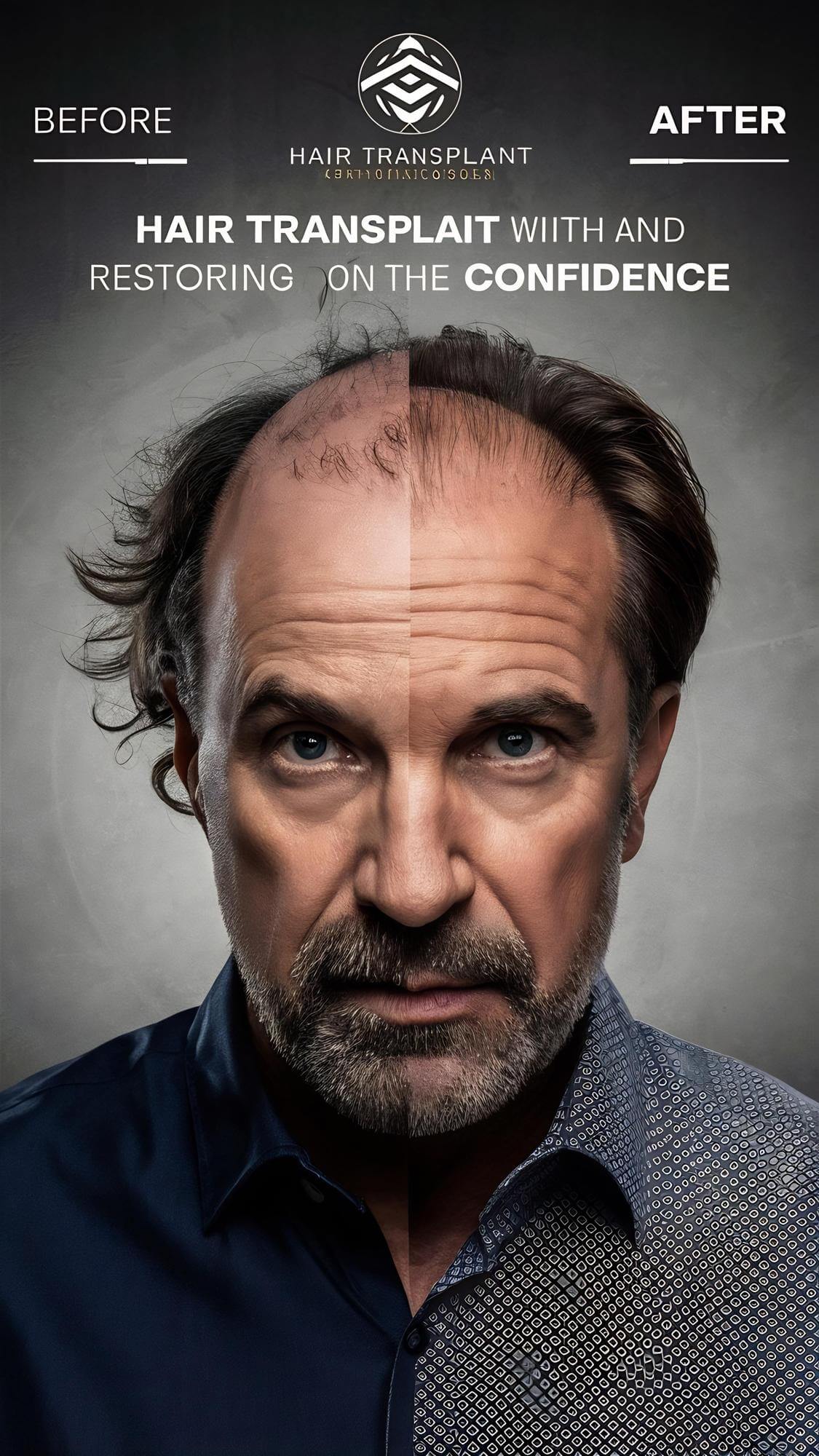
At BT Hair Clinic, based in Antalya, Turkey, the patient experience usually centres on planning rather than rushing into a procedure. That includes discussing hairline design, estimating graft needs, and explaining what DHI or Sapphire FUE may involve in practical terms. A natural result is often the product of restraint. You should expect an honest conversation about what can be improved, what may remain limited by donor supply, and how future hair loss might affect the long-term picture.
On the day of treatment, patients generally go through preparation, donor area management, graft extraction, and implantation. Local anaesthesia is commonly used, and most people describe the procedure as manageable rather than painful, though comfort levels vary. Breaks may be needed during longer sessions. A transplant is not only about placing grafts; it is also about protecting them. Handling, hydration, and placement strategy can influence survival and the eventual visual outcome.
Recovery is another area where realistic advice matters. Tiny scabs, redness, temporary swelling, and shedding of transplanted hairs are common parts of the early course. The so-called shock loss phase can worry patients if they are not prepared for it. New growth usually takes time, and visible change tends to develop gradually over months rather than days. That timeline is one reason celebrity transformations often seem subtle at first and more apparent later.
Patients should also understand the limits and risks. No ethical clinic can promise identical density to a person’s teenage years, and not every graft grows in the same way. Infection, prolonged redness, patchy growth, or the need for refinement are possibilities to discuss beforehand. A good experience is not built on hype; it comes from clear communication, sound technique, and aftercare that helps you navigate each phase with realistic expectations.
If you are thinking about hair restoration and want advice tailored to your own hair loss pattern, you can arrange a free consultation with BT Hair Clinic Antalya. It is a practical way to discuss whether DHI or Sapphire FUE may suit you, ask about limitations and recovery, and receive a personalised assessment based on your donor area and goals.
Frequently Asked Questions
Did Rob Brydon definitely have a hair transplant?
There is no universally cited medical statement publicly confirming full procedural details. Most discussion is based on visible changes in his hair over time and commentary from media sources or industry observers. It is reasonable to say that many people believe he may have had a transplant, but certainty requires direct confirmation from the individual or treating clinic.
Why do people think Rob Brydon had hair restoration?
People usually point to the apparent improvement in his frontal hairline and overall density in later appearances compared with older images. When that kind of change looks stable across different events and photographs, hair transplantation becomes one possible explanation. Styling and lighting can also influence appearance, so comparisons should always be treated with caution.
What technique do experts think he may have used?
Speculation often centres on modern FUE-based methods because they can produce natural hairline work with less obvious scarring than older strip techniques. Some people mention DHI or Sapphire FUE as likely possibilities, especially for subtle, refined frontal improvement. Without direct evidence, though, the exact technique remains unknown and should not be stated as fact.
Can a transplant really look as natural as his reported result?
Yes, modern hair transplantation can look very natural when the case is planned well. The most important factors are hairline design, graft angle, donor quality, and an age-appropriate strategy. Natural results usually avoid a harsh straight line and blend carefully with existing hair. Even then, outcomes vary between patients, and no clinic should present surgery as flawless or risk-free.
How long does it take to see final hair transplant results?
Hair growth after transplantation is gradual. Many patients see shedding in the early weeks, then limited visible growth for a period before new hairs begin emerging over several months. Noticeable improvement often appears later in the process, with maturity continuing beyond that. Exact timing depends on healing, hair characteristics, and the area treated.
Are DHI and Sapphire FUE suitable for everyone?
Not always. Both techniques can be effective, but suitability depends on your donor area, the extent of hair loss, hair texture, scalp condition, and treatment goals. Some patients are stronger candidates for one method than the other, while others may need medical treatment or a delayed surgical plan. Proper assessment is more important than choosing a technique by name alone.
What should I ask at a hair transplant consultation?
Ask about candidacy, donor capacity, likely graft range, expected density, healing stages, and possible risks such as shock loss or patchy growth. You should also ask how the hairline will be designed and what long-term planning looks like if your native hair continues thinning. Clear answers help you judge whether the clinic is taking a personalised and ethical approach.
Is a celebrity result a good template for my own transplant?
Celebrity cases can be useful for understanding what subtle, natural restoration may look like, but they should not be copied directly. Your facial structure, donor supply, hair calibre, and pattern of loss are unique. The right treatment plan should be built around your own anatomy and future hair loss risk rather than trying to recreate someone else’s appearance.
