
According to public discussion and visible changes in his hairline, a Marc Andre Ter Stegen hair transplant appears likely, although no detailed medical record has been released. Industry observers often point to his fuller frontal hairline and improved density as signs of a professionally planned procedure rather than a temporary styling change.
Interest in the Marc Andre Ter Stegen hair transplant has grown because his transformation looks subtle, natural, and age-appropriate. That matters to many readers because the best hair restoration work rarely looks dramatic overnight; it tends to blend with the patient’s facial features, existing hair pattern, and long-term shedding risk.
For footballers and other public figures, appearance changes are noticed quickly, especially when high-definition photography tracks them over many seasons. Looking at reported timelines, technique options, and realistic medical expectations helps separate speculation from what a well-executed transplant usually involves.
Marc Andre Ter Stegen Hair Transplant Story
Reports linking Marc Andre ter Stegen to hair restoration seem to come from a simple observation: his hairline appeared thinner in earlier public photos, then looked denser and more defined later on. That kind of shift often leads people to ask whether a transplant took place. No public clinical documentation confirms the exact details, so any discussion should stay cautious. Still, when specialists assess celebrity transformations, they usually look for certain patterns such as improved temple framing, more consistent frontal density, and a hairline that appears intentionally designed rather than randomly changing from haircut to haircut.
Athletes are often ideal examples of subtle hair restoration because they spend much of their career under bright stadium lighting, close-up cameras, and repeated media coverage. Temporary cosmetic products can help for a short time, but they tend to be less reliable during training, sweating, travel, and televised matches. A transplant, if performed well, offers a more stable long-term solution by moving genetically resistant follicles from the donor area, usually the back or sides of the scalp, to regions affected by thinning. Based on publicly visible changes, many industry observers believe this is the most plausible explanation in his case.
Another reason the story attracts attention is that the apparent change did not seem exaggerated. Natural-looking celebrity results usually share a few traits: the new hairline is not set too low, the corners are softened in a believable way, and the density is built gradually rather than packed aggressively into one zone. This is often the difference between a transplant that draws admiration and one that attracts suspicion. If ter Stegen did undergo treatment, the outcome most people notice suggests careful planning rather than an attempt to recreate a teenage hairline.
Public interest also reflects a broader shift in how hair loss is discussed. Male pattern thinning is common, including among elite athletes, and treatment is no longer viewed as unusual. People now understand that a transplant is a medical procedure, not simply a cosmetic shortcut. It requires diagnosis, donor assessment, artistic design, and realistic expectations. In celebrity cases, the most responsible approach is to avoid overstating certainty while using visible evidence to explain what may have happened.
When doctors assess a case like this, they typically ask several questions:
- Was the change mainly in the frontal hairline or across the whole scalp?
- Did density improve in a pattern consistent with transplanted graft placement?
- Does the donor area still look strong and proportionate?
- Has the result aged naturally over time rather than appearing suddenly artificial?
Those are the same principles that matter for any patient. Whether someone is a goalkeeper or not, the goal is not just to add hair. The goal is to restore balance in a way that still looks believable years later.
Marc Andre Ter Stegen Before and After
“Before and after” discussions can be misleading if they rely on two isolated photos taken under different lighting, angles, or hair lengths. A more useful approach is to compare images across several years. In earlier appearances, ter Stegen’s frontal area appeared lighter, particularly around the hairline and front corners. In later appearances, that region seemed fuller and more evenly framed. While styling can influence perception, repeated visual consistency often leads experts to suspect a medical intervention rather than simple grooming changes.
One of the strongest clues in celebrity cases is not just added density but the way the hairline suits the face. A natural result generally follows the person’s age, forehead shape, and likely future hair loss pattern. Based on public imagery, the apparent improvement in ter Stegen’s hair does not look excessively sharp or unnaturally low. That is important because conservative design usually ages better. An overbuilt line can look impressive in the short term but may appear unnatural if surrounding native hair continues to thin over time.
Texture and coverage also matter when comparing before and after images. Hair transplants do not create identical density to untouched adolescent hair, especially in one session. What they can do is improve visual fullness enough that the scalp shows less, the front outline looks stronger, and styling becomes easier. That seems to match the kind of change often discussed in relation to ter Stegen. The likely aim would have been to refine the frame of the face and strengthen the frontal zone rather than transform the entire scalp dramatically.
Anyone evaluating celebrity hair restoration should keep a few limitations in mind:
- Wet hair can reveal more scalp than dry hair
- Longer hair often looks denser than shorter cuts
- Professional lighting and camera quality affect visibility
- Hair fibres or thickening products can temporarily enhance coverage
- Medical therapies may support transplanted and native hair together
Even with those caveats, long-term comparison usually tells the clearest story. If there has been a sustained improvement in the same area over time, a transplant becomes a reasonable explanation. That does not prove every detail, but it helps readers understand why this topic receives so much attention. For many people considering treatment themselves, celebrity before-and-after changes offer a practical reference point: not perfection, but a more structured and confident hairline that still looks like their own.
From a patient education perspective, the key lesson is that realistic success is often modest in the best possible way. The ideal result does not look “done.” It simply makes thinning less noticeable and restores proportion to the face.
Which Hair Transplant Technique Did Marc Andre Ter Stegen Choose?
No clinic record has been published to confirm the exact method, so any answer must remain an informed estimate. Based on the natural-looking frontal refinement seen in public images, specialists would most likely discuss two modern options: FUE-based extraction with implantation through sapphire-created channels, or DHI implantation using an implanter pen. Both approaches can create soft, dense-looking frontal work when performed by an experienced medical team.
Older strip procedures are less commonly associated with high-profile athletes today, partly because patients often prefer to avoid a linear scar and choose techniques that support shorter hairstyles. Follicular Unit Extraction, or FUE, removes individual grafts from the donor area. Those grafts can then be implanted using different methods. Sapphire FUE refers to opening recipient sites with sapphire blades, which may help surgeons create precise channels and control direction. DHI places grafts with a specialised pen-like tool, often allowing careful implantation into targeted areas without a separate large-scale channel-opening phase.
If ter Stegen did undergo a procedure, the likely target would have been the frontal band and possibly the temple transitions. Those areas are visually important because they define the face in photographs and under bright lighting. A technique choice in such a case would depend on several clinical factors:
- The strength and density of the donor area
- The calibre and curl of the hair
- The amount of miniaturisation in the front
- The desired softness or compactness of the hairline
- Whether shaving was acceptable or limited shaving was preferred
DHI is often discussed when precision in the hairline is a priority. Sapphire FUE is often selected for efficient placement across broader thinning zones with strong control over angle and direction. In reality, excellent results can be achieved with either approach when the planning is correct. Technique branding matters less than surgeon judgement, graft handling, donor management, and a design that respects future hair loss.
Another important point is that hair transplantation should not be viewed in isolation. Many patients also use supportive medical therapies, depending on suitability and physician advice, to slow ongoing thinning in native hair. That combination can make a result appear more complete over time. This is one reason celebrity transformations may seem especially polished: the transplant may be only one part of a broader hair preservation plan.
For readers considering treatment, the better question is rarely “Which celebrity technique should I copy?” A more useful question is “Which technique fits my scalp, hair characteristics, and goals?” The answer can differ from person to person, even when the visible concern looks similar.
Celebrity-Preferred Hair Transplant Techniques (DHI, Sapphire FUE)
Celebrity patients often want the same things most patients want: privacy, a natural hairline, minimal visible evidence of treatment, and a recovery plan that fits around work. DHI and Sapphire FUE are frequently discussed in that context because both can produce refined results when they are used for the right indication. Neither method is automatically superior in every case. The better option depends on hair loss pattern, donor capacity, scalp condition, and the design strategy for the front, mid-scalp, or crown.
DHI, short for Direct Hair Implantation, is known for controlled placement using an implanter tool. This can be helpful when the clinic wants meticulous positioning, especially along the frontal edge where tiny changes in angle can affect the final appearance. Sapphire FUE, by contrast, uses FUE graft extraction and recipient-site creation with sapphire blades before implantation. Supporters of sapphire blades value the precision of channel creation and the ability to organise direction and density in a structured way. Both methods rely on the same basic principle: moving healthy follicles from a stable donor area to a thinning recipient zone.
Why are these techniques popular among public figures? Several reasons are commonly cited:
- They can create natural, feathered hairlines when planned carefully
- They avoid the linear scar associated with traditional strip surgery
- They can be tailored for different levels of shaving and visibility
- They support gradual, believable improvement rather than an obvious change
- They allow strategic use of limited donor grafts
That said, the technique alone does not determine the result. Two patients can undergo the same named procedure and end up with very different outcomes depending on graft quality, incision angles, density planning, and post-operative care. A conservative, medically sound hairline often serves public figures better than an aggressive design. Cameras magnify small irregularities, and a poor hairline can become more visible over time as native hair changes.
Patients should also understand the limits. A transplant cannot create unlimited density, and donor hair is finite. Poor planning can exhaust the donor area or produce a result that looks dense at first but lacks long-term balance. Risks may include swelling, temporary shedding, infection, folliculitis, numbness, shock loss in existing hair, and the possibility that more than one session may be needed depending on the pattern of loss.
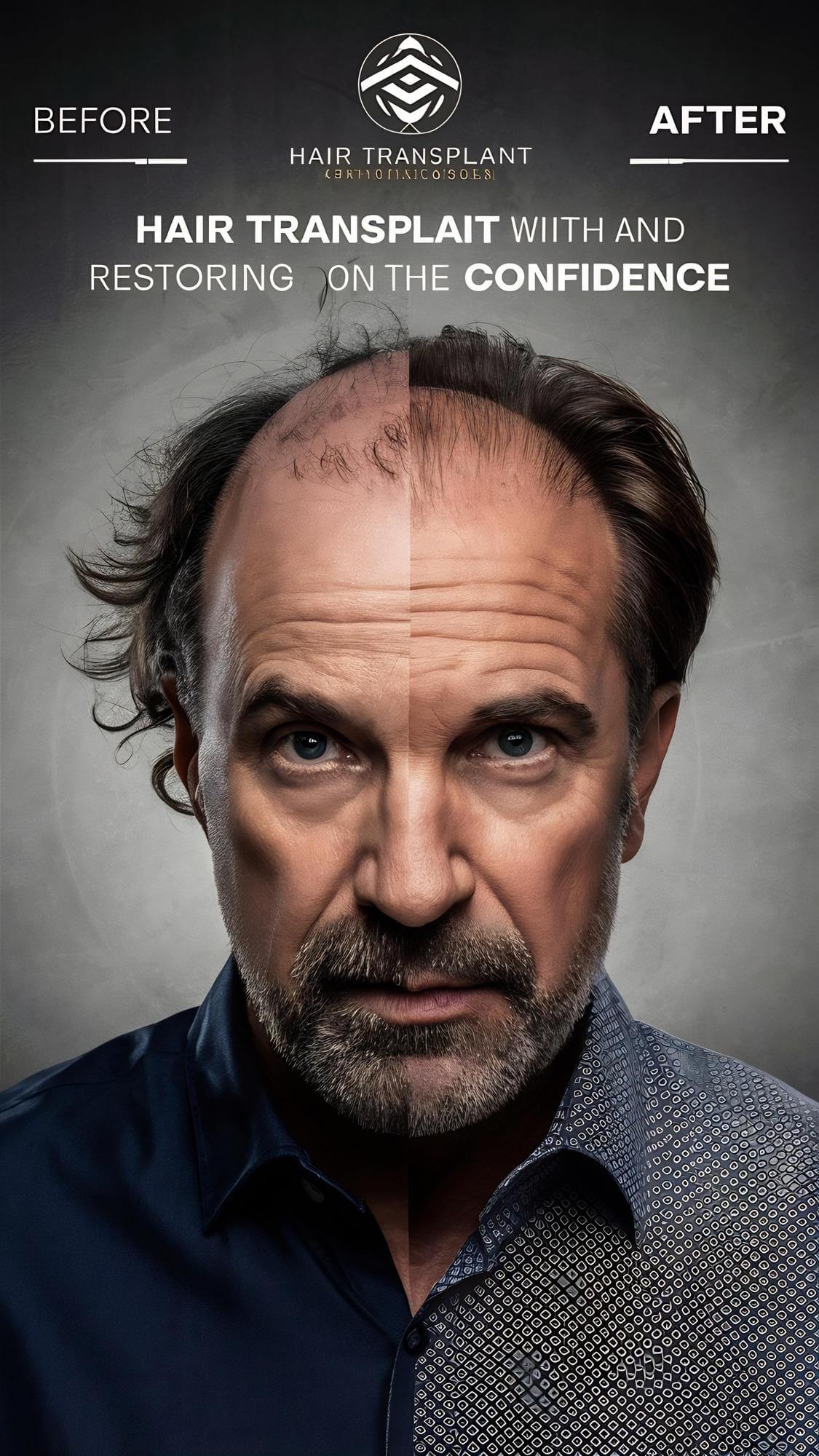
BT Hair Clinic, based in Antalya, Turkey, works with both DHI and Sapphire FUE approaches, which is useful because different scalp patterns require different solutions. The central principle is not choosing the trendiest label. It is choosing the method that can deliver the most natural and sustainable improvement for the individual patient.
The Hair Transplant Experience at BT Hair Clinic Antalya
For many patients, the process begins long before the procedure day. A proper assessment looks at family history, current shedding, scalp health, donor strength, hair calibre, and the realistic scope of improvement. At BT Hair Clinic in Antalya, Turkey, consultations are typically built around these fundamentals rather than a one-size-fits-all plan. That matters because a hairline that suits one person can look unnatural on another, and not every thinning pattern should be treated with the same graft strategy.
Once candidacy is established, the planning phase usually focuses on three things: donor preservation, recipient design, and long-term realism. In practical terms, that means deciding how many grafts can be safely extracted, where they should be placed for the best visual impact, and how the result may age if future hair loss continues. Clinics experienced in DHI and Sapphire FUE can adapt the implantation approach according to the area being treated. Some patients need delicate frontal detailing, while others need broader coverage with careful control of direction and spacing.
On the day of the procedure, patients can generally expect local anaesthesia, donor extraction, graft preparation, and implantation. Recovery is usually gradual rather than instant. Tiny crusts and redness are common in the early period. The newly implanted hairs often shed within weeks, which can be alarming if you are not prepared for it, but this shedding phase is a normal part of the cycle in many cases. New growth usually takes months to become visible, and the texture may change as the follicles mature.
A responsible clinic should also discuss limitations and aftercare. Key points often include:
- Sleeping with the head elevated for the first days if advised
- Avoiding friction, heavy sweating, and direct trauma early on
- Washing the scalp according to the clinic’s instructions
- Understanding that final maturation takes time
- Monitoring native hair loss separately from transplanted growth
Patients often appreciate Antalya for practical reasons as well as medical ones. The city is a recognised destination for hair restoration, yet the most important factor is still the quality of assessment and execution. BT Hair Clinic’s experience with DHI and Sapphire FUE is relevant because technique choice should follow medical need, not marketing language. If you are comparing your own hairline to celebrity cases such as ter Stegen’s, the useful takeaway is not to copy a public figure exactly. It is to seek a plan that matches your donor reserves, facial proportions, and future hair loss pattern.
If you are considering treatment and want a personalised opinion, you can contact BT Hair Clinic Antalya for a free consultation to discuss your hair loss pattern, donor area, and whether DHI or Sapphire FUE may be suitable for your goals.
Frequently Asked Questions
Did Marc Andre ter Stegen confirm a hair transplant?
There does not appear to be a detailed public medical confirmation explaining a procedure step by step. Most discussion comes from visual comparisons over time and commentary from hair restoration observers. That means it is best to frame the topic as a likely or reported transplant rather than a documented clinical fact with fully disclosed details.
Why do people think he had a hair transplant?
The main reason is the apparent change in his frontal hairline and overall density in later images compared with earlier appearances. When improvement remains visible across multiple years and settings, specialists often consider a transplant a plausible explanation. Haircuts and styling can affect appearance, but they usually do not create a lasting structural change in the hairline.
What technique was most likely used?
No one outside the treating team could confirm that with certainty. Based on the natural-looking result often discussed online, DHI or Sapphire FUE would be reasonable guesses because both are commonly used for refined frontal hairline work. The real determinant of a good result is not the label alone, but planning, graft handling, and long-term design.
How long does it take to see results after a hair transplant?
Most patients do not see immediate final results. Early shedding of transplanted hairs is common, and visible regrowth usually starts after a few months. Improvement tends to build gradually, with the hair continuing to mature in thickness and texture over time. Patience is essential, because the final appearance is a process rather than a next-week transformation.
Can a transplant look natural on camera and in real life?
Yes, it can, provided the hairline design is age-appropriate and the grafts are placed at the correct angle and density. The most successful work usually goes unnoticed because it blends with the patient’s existing features. Problems often arise when the line is too straight, too low, or too dense in a way that does not match the person’s likely long-term hair pattern.
Are DHI and Sapphire FUE suitable for everyone?
Not automatically. Suitability depends on donor strength, scalp condition, the extent of hair loss, and the treatment goals. Some patients benefit more from one implantation approach than the other, while others may need medical therapy, delayed surgery, or a more conservative plan. A proper consultation is the only reliable way to decide.
What are the risks of a hair transplant?
Hair transplantation is generally considered safe when performed appropriately, but it is still a medical procedure with possible risks. These may include swelling, redness, temporary numbness, infection, folliculitis, shock loss, uneven growth, or a result that does not meet expectations. Good planning and careful aftercare help reduce risk, but no procedure is completely risk-free.
Can BT Hair Clinic assess whether I’m a good candidate?
Yes. BT Hair Clinic in Antalya, Turkey evaluates factors such as your donor area, hair loss pattern, scalp health, and long-term goals before recommending a plan. Because the clinic works with DHI and Sapphire FUE techniques, the discussion can focus on what fits your case best rather than forcing every patient into the same approach.
