
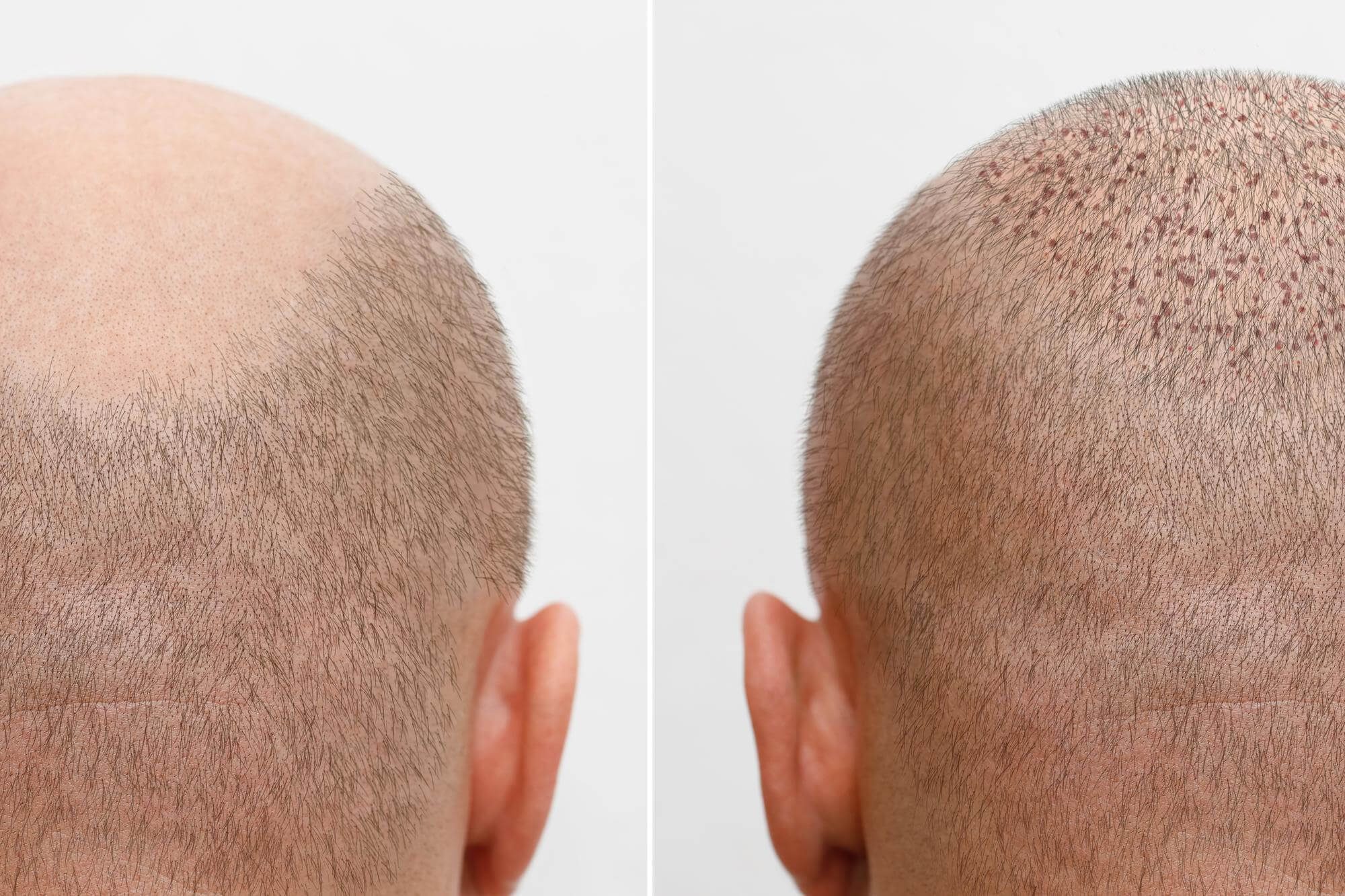
Jurgen Klopp appears to have had a hair restoration procedure, based on his public comments and the visible change in his hairline over time. The phrase Jurgen Klopp hair transplant is widely searched because his transformation became noticeable while he remained in the public eye as one of football’s most recognisable managers.
Reports and interviews suggest he was open about having treatment, which makes his case especially interesting for people comparing celebrity hair restoration with real clinical practice. His result is often discussed as an example of how a well-planned procedure can create a natural-looking improvement without dramatically changing someone’s overall appearance.
Jurgen Klopp Hair Transplant Story
The story around Jurgen Klopp’s hair gained attention because the change did not happen in private. Football managers are photographed constantly, often under bright stadium lighting and high-definition broadcast cameras, so even subtle differences tend to be noticed. According to widely circulated media reports, Klopp acknowledged having work done on his hair, which gave the public more reason to discuss it openly rather than treat it as pure speculation.
What made the story resonate was not just that a famous figure appeared to have treatment, but that he seemed comfortable enough to address it. That matters because many men still view hair loss as something to hide. When a high-profile person appears to approach restoration in a practical and matter-of-fact way, it can shift the conversation from embarrassment to informed decision-making. In that sense, the Jurgen Klopp hair transplant discussion became about more than one individual’s appearance.
Based on older and newer photographs, observers often point to signs of frontal thinning and a receding hairline before the apparent procedure. Later images suggest improved density at the front and a more defined shape across the hairline. Those changes are consistent with what can be achieved through modern transplantation, although only the treating clinic and patient would know the exact plan, graft count, and medical details.
Another reason his case attracts attention is that the result looks believable. A successful transplant does not usually aim to create the teenage hairline a person had decades earlier. Instead, the goal is typically to design a hairline that suits age, facial structure, donor capacity, and future hair loss patterns. Klopp’s apparent outcome is often described in that way: noticeable enough to improve framing around the face, but restrained enough to avoid looking artificial.
There is also a wider lesson in the public interest surrounding celebrity procedures. People often assume a famous patient has access to something entirely different from standard hair transplant medicine. In reality, the core principles remain the same: donor hair must be assessed carefully, the hairline must be designed thoughtfully, and expectations must match what surgery can realistically deliver. Celebrities may receive privacy and scheduling advantages, but the biology of hair growth does not change according to fame.
For readers considering treatment themselves, Klopp’s story is useful mainly as a reference point. It suggests that hair restoration can be discreet, natural-looking, and compatible with a demanding professional life. At the same time, a celebrity example should never replace an individual assessment. Hair characteristics, age, pattern of loss, and donor strength vary widely, so the right approach always depends on the person sitting in the consultation room.
Jurgen Klopp Before and After
When people search for before-and-after comparisons, they are usually trying to answer a practical question: did the change look natural? In Klopp’s case, the answer based on public images seems to be yes. Earlier photographs appear to show more recession through the frontal area, with less density around the hairline. In later appearances, the front seems fuller and more structured, while still looking appropriate for his age and features.
A natural before-and-after result is rarely about dramatic thickness everywhere. It is often about improving the frame of the face, reducing the visual impact of recession, and creating better continuity when the hair is styled or viewed from different angles. Klopp’s apparent transformation is often cited because the change was visible without seeming exaggerated. Industry observers frequently view that as a sign of conservative planning rather than overcorrection.
Lighting, hair length, styling products, and camera angle can affect how much density appears in photographs, so image comparisons should always be treated with caution. A harsh overhead light can make even healthy hair look thinner, while a well-styled cut can make a modest transplant appear denser than it is. That is why responsible analysis avoids claiming certainty from photographs alone. Even so, repeated public appearances over time can reveal broader patterns that suggest a genuine change rather than a temporary styling effect.
One detail often discussed in before-and-after assessments is the shape of the frontal hairline. Hairlines that look too straight, too low, or too dense can immediately draw attention for the wrong reasons. By contrast, a slightly irregular, age-appropriate design tends to blend more convincingly. Klopp’s later look appears to fit that principle. The apparent density sits where many surgeons would prioritise it: the front and immediate forelock area, where visual impact is strongest.
Another point is that successful hair restoration should still allow a person to look like themselves. The aim is usually not to create a new identity, but to restore balance. In celebrity cases, this is easier to judge because the public already knows the face well. If people notice that someone looks fresher or fuller-haired without instantly focusing on “work done,” that often suggests the treatment was planned carefully. Public reaction to Klopp’s appearance has largely reflected that kind of subtle acceptance.
Before-and-after comparisons can be useful, but they should not encourage unrealistic expectations. Your donor area may differ significantly from someone else’s, and the extent of your thinning might require a different strategy. Some patients need one session focused on the front; others may need to consider crown coverage later, or combine surgery with medical management. Celebrity examples are best treated as inspiration for discussion, not as templates to copy exactly.
Which Hair Transplant Technique Did Jurgen Klopp Choose?
The exact technique used in Jurgen Klopp’s case has not been publicly confirmed in detailed medical terms, at least not through widely verifiable clinical records. Still, many commentators believe his procedure was likely one of the modern follicular unit extraction approaches, often grouped under FUE-based methods. That assumption comes from the era in which his apparent treatment took place and from the natural-looking result associated with individually transplanted grafts.
FUE involves extracting follicular units one by one from the donor zone, usually at the back and sides of the scalp, and placing them into recipient sites in areas affected by thinning or recession. This method became especially popular because it avoids the linear scar associated with older strip surgery. For public figures who may prefer shorter hairstyles or discreet healing, that can be an important consideration.
Some observers also speculate about DHI, or Direct Hair Implantation, because it is commonly discussed in relation to refined hairline work. DHI uses a specialised implantation tool that allows graft placement with close control over angle, direction, and depth. That can be helpful in the frontal area where small design choices strongly influence whether the result looks soft and natural. Without confirmed records, though, any claim that Klopp specifically chose DHI should remain tentative.
Sapphire FUE is another modern variation often mentioned when discussing contemporary hair restoration. In this approach, sapphire-tipped blades are used during channel creation, with the aim of enabling precise incisions for graft placement. Clinics and surgeons may prefer one method over another depending on the patient’s scalp characteristics, the planned density, the number of grafts, and the team’s expertise. The best technique is not the one with the most recognisable label, but the one most suitable for the individual case.
What matters more than the name of the technique is how the procedure was designed. A strong result depends on donor management, hairline planning, graft handling, and realistic density distribution. If too many grafts are placed aggressively at the front, the donor may be depleted for future needs. If the angle is wrong, the hair can look unnatural even if growth is good. If the hairline is too youthful, the result may age poorly. Technique is important, but planning is decisive.
For anyone wondering whether they should request the same method that a celebrity may have had, the answer is usually no. You should request a proper assessment instead. A qualified team will look at your hair loss pattern, calibre, donor density, scalp condition, and likely future progression before recommending DHI, Sapphire FUE, or another suitable approach. The lesson from the Jurgen Klopp hair transplant conversation is not that one celebrity method should be copied, but that good outcomes usually come from thoughtful case selection and precise execution.
Celebrity-Preferred Hair Transplant Techniques (DHI, Sapphire FUE)
Celebrity patients are often associated with techniques that offer natural-looking results, discreet recovery patterns, and flexibility in hairline design. Among the most talked-about are DHI and Sapphire FUE. Both are modern methods used in many reputable clinics, and both can produce excellent outcomes when performed on suitable candidates by an experienced medical team. The preference for one over the other is usually based on planning rather than prestige.
DHI is often chosen when detailed placement is especially important. The method is known for controlled implantation, which can be useful in the frontal hairline, temple points, or areas requiring careful direction changes. For public figures whose appearance is constantly scrutinised, these details matter. Tiny differences in angle and spacing can affect whether transplanted hair sits naturally when dry, under bright light, or during close-up filming.
Sapphire FUE is valued for its precision during channel opening and for the versatility it offers across a range of hair loss patterns. It is frequently used for patients who need broader frontal work, mid-scalp reinforcement, or an organised graft distribution plan. The sapphire-tipped instruments commonly associated with this approach are intended to support refined site creation, although the quality of the result still depends far more on the clinician’s judgement and technical skill than on the material of the blade alone.
Public figures often want outcomes that do not advertise the procedure. That means avoiding a plug-like appearance, harsh hairline symmetry, or overpacked density that looks unnatural once healed. Both DHI and Sapphire FUE can help support subtle, age-appropriate restoration when used carefully. In many celebrity cases, a conservative hairline with strategic density is preferred over a dramatic rebuild. That usually photographs better in the long term and is less likely to look out of place years later.
There are also practical reasons these techniques are frequently discussed. FUE-based methods generally avoid a long linear scar, which may appeal to people who wear shorter hair or work under constant visual attention. Recovery patterns can still vary, and temporary redness, shedding, and visible signs of treatment are possible, but many patients appreciate the ability to return gradually to public life without the appearance of major surgery.
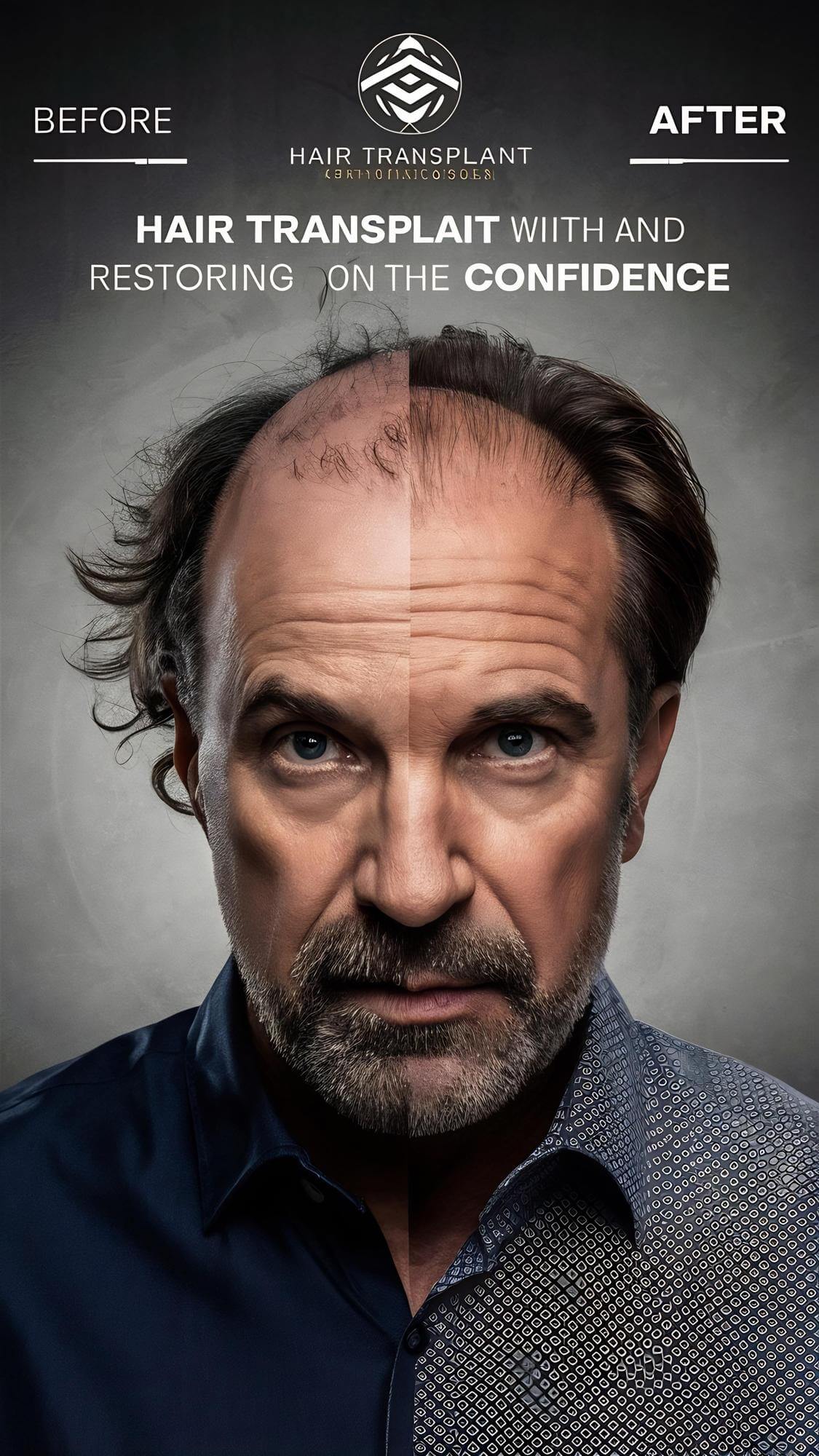
BT Hair Clinic, based in Antalya, Turkey, works with DHI and Sapphire FUE techniques and sees many patients who want this same balance of natural design and realistic planning. The key point is that no technique is universally superior. The right method depends on donor capacity, hair type, scalp characteristics, and the pattern you want to improve. A celebrity-style result is less about choosing a fashionable label and more about matching the method to the biology of your hair.
The Hair Transplant Experience at BT Hair Clinic Antalya
For many patients, the treatment journey starts long before the procedure itself. A proper assessment should examine the pattern of loss, donor strength, scalp health, and family history of hair thinning. It should also address expectations honestly. Some people are suitable for frontal restoration only, while others may need a longer-term plan that takes future hair loss into account. A careful clinic will not treat a transplant as a one-size-fits-all answer.
At BT Hair Clinic in Antalya, Turkey, the patient experience typically revolves around planning, suitability, and technique selection rather than simply deciding on a graft number. Clinics experienced in DHI and Sapphire FUE usually begin by evaluating which approach is more appropriate for the individual. If someone needs highly controlled work in the hairline, one method may be preferred. If broader area coverage is the priority, another may make more sense. The recommendation should follow the patient’s needs, not a trend.
The procedure day generally includes preparation of the donor and recipient areas, local anaesthesia, graft extraction, and implantation. Even when the process is minimally invasive, it still requires patience and precision from the medical team. Patients should expect a recovery period, not an instant final result. Swelling, redness, scabbing, and temporary shedding of transplanted hairs are common stages after surgery. These early signs do not indicate failure; they are often part of the normal healing cycle.
Growth takes time. Newly placed follicles usually enter a resting phase before producing visible hair. Early growth may look fine, light, or uneven at first, with maturation continuing over the following months. Because of this timeline, reputable clinics should speak carefully about expectations. No ethical provider can promise that every graft will grow in the same way or that every patient will achieve identical density. Hair calibre, healing response, and existing native hair all influence the final appearance.
Aftercare is a crucial part of the experience. Patients need clear instructions on washing, physical activity, sun exposure, sleeping position, and the return to work or exercise. Ongoing communication matters as much as the procedure itself, especially for international patients travelling to Antalya. Good aftercare helps reduce anxiety during the shedding and regrowth phases, when progress can feel slower than expected.
If you are comparing your own options after reading about the Jurgen Klopp hair transplant, a personalised consultation is the most useful next step. BT Hair Clinic Antalya offers free consultations so you can discuss your hair loss pattern, donor area, and whether DHI or Sapphire FUE may be appropriate for you, with realistic guidance based on your individual case.
Frequently Asked Questions
Did Jurgen Klopp really have a hair transplant?
According to public reports and widely repeated media coverage, he appears to have undergone hair restoration and has been relatively open about it. Since private medical details are not fully available, it is still best to describe this as based on public statements and visible changes rather than as a fully documented clinical case study.
What changed in Jurgen Klopp’s hair appearance?
Public image comparisons suggest improved density and definition at the front of the scalp, especially around the hairline. The change appears natural rather than extreme, which is one reason the case is frequently discussed. As with any photographic comparison, lighting, styling, and hair length can influence how dramatic the difference seems.
Which technique did he most likely have?
No universally verified medical record has confirmed the exact method. Many observers assume an FUE-based approach because it is widely used for natural-looking restoration and discreet healing. Some also speculate about DHI because of the refined appearance of the frontal area, but that remains informed speculation rather than confirmed fact.
Can a hair transplant look as natural as Jurgen Klopp’s appears to?
Yes, natural-looking results are possible when the hairline is designed appropriately and graft placement is handled carefully. The most realistic outcomes usually avoid overly low, straight, or dense hairlines. Your own result depends on donor quality, hair characteristics, the extent of loss, and how suitable you are for surgery in the first place.
How long does it take to see final hair transplant results?
Hair restoration is gradual. Transplanted hairs often shed early before new growth begins. Noticeable improvement commonly develops over several months, with continued maturation after that. Timelines vary between individuals, and texture and density can improve progressively. Patience is essential, especially during the early period when visible growth may still look uneven.
Are DHI and Sapphire FUE better for celebrity-style results?
They can both be excellent options, but neither is automatically better for every patient. DHI may be helpful for detailed implantation control, while Sapphire FUE can be useful for precise channel creation and broader planning. The best choice depends on your scalp, donor area, hair calibre, and restoration goals rather than on celebrity trends.
Is a hair transplant permanent?
Transplanted follicles are usually taken from areas more resistant to pattern hair loss, so they can provide long-lasting growth. Even so, no result should be described too simply as permanent without context. Native hair around the transplant can continue to thin over time, which is why long-term planning and realistic expectations are so important.
Who is a good candidate for a procedure like this?
A good candidate generally has stable enough hair loss, sufficient donor density, and realistic expectations about what surgery can achieve. The best way to find out is through a personal assessment. A clinic should evaluate not only the area you want to improve, but also how your hair loss may progress in the years ahead.
