

There is no confirmed public statement proving that Chris Evans has had a hair transplant. Still, the Chris Evans hair transplant topic appears often because fans and hair loss observers have noticed changes in his hairline and overall density across different years.
Based on photographs, red carpet appearances, and changing hairstyles, some industry observers suggest he may have had some form of hair restoration or non-surgical hair support. That remains speculation unless the actor confirms it himself. What can be assessed more carefully is how his hair seems to have evolved, what procedures could create a similar result, and what that means for men considering treatment.
Chris Evans Hair Transplant Story
Chris Evans has been in the public eye for years, which makes even small changes in his appearance easy for people to notice. Discussions around his hair usually focus on whether his frontal hairline looks stronger now than it did in earlier photos. According to online commentary and side-by-side image comparisons shared by fans, there seems to be a period where his temples appeared slightly more recessed, followed later by a fuller and more balanced look. That shift is the reason the Chris Evans hair transplant question keeps surfacing.
Publicly available images do not provide medical certainty. Lighting, camera angle, product use, hair length, blow-drying, and styling direction can all make a hairline look dramatically different. Actors also work with professional grooming teams, and that alone can change how dense the hair appears on screen or at events. Even so, when changes remain consistent across multiple appearances over time, some people start to wonder whether surgical restoration may be involved rather than simple styling.
The most common theory is not that he underwent a dramatic transformation, but that he may have addressed early-stage recession in a subtle way. That would fit the pattern often seen in male celebrities: preserving a natural, age-appropriate hairline rather than creating an unusually low or perfectly straight one. If a procedure did take place, the likely goal would have been refinement at the temples and frontal zone, with enough density to frame the face without making the work look obvious.
There is also the possibility that no transplant happened at all. Some men experience temporary thinning from stress, seasonal shedding, or intensive work schedules, then recover density later. Others use medications, topical products, scalp micropigmentation, fibres, or strategic cuts to improve the appearance of fullness. Since Chris Evans has not, to public knowledge, confirmed a procedure, the responsible view is to treat the topic as informed speculation rather than established fact.
What makes this case interesting is how often people seek a result similar to the one attributed to him: natural density, a mature masculine hairline, and no obvious signs of surgery. For many patients, especially men in the early stages of androgenetic hair loss, the aim is not to look different overnight. It is to look like themselves again, with a hairline that suits their age, facial proportions, and long-term pattern of loss. That is why celebrity cases attract attention even when there is no formal confirmation.
Chris Evans Before and After
When people search for before-and-after comparisons, they usually focus on the temple corners, frontal density, and the way the hairline frames the forehead. In earlier public appearances, Chris Evans sometimes appeared to have mild recession at the temples, which is common in adult men and does not automatically mean significant hair loss. In later images, some observers believe the frontal area looks denser and more even, especially when his hair is worn with volume away from the face.
Any visual analysis should be careful. Before-and-after photos can be misleading if one image is taken in harsh overhead lighting and another in softer studio light. Wet hair, a windy red carpet event, or a high-definition close-up can all expose the scalp more than usual. By contrast, thicker styling products, hair fibres, and a shorter or layered cut can reduce contrast between the hair and scalp. A stronger appearance in later photos does not necessarily confirm surgery, but it can support why the discussion exists.
If a transplant was involved, the change appears subtle rather than aggressive. That matters because the best hair restoration work usually blends in with the patient’s natural features. A believable result is rarely about drawing a brand-new hairline with unnatural density. It is about restoring enough grafts in carefully chosen areas so the face looks balanced again. In celebrity cases, surgeons would typically avoid overfilling the front, since that can create an artificial look under cameras and changing hairstyles.
Another point often overlooked in before-and-after discussions is age progression. A mature male hairline is not the same as teenage density. If Chris Evans did receive treatment, a conservative design would make sense because it would preserve donor hair and age well over time. The hairline would likely remain slightly higher at the temples than a very youthful pattern, while still appearing fuller than before. That kind of restrained planning is often what separates natural-looking outcomes from obvious ones.
For readers comparing their own hair to celebrity images, the key lesson is to look beyond a single photo. Surgeons evaluate recession pattern, miniaturisation, donor strength, scalp characteristics, and likely future loss. A person with mild temple recession may need only a focused approach, while diffuse thinning may require a different strategy or medical management first. Before-and-after galleries can be useful for inspiration, but they should never replace an in-person assessment.
Which Hair Transplant Technique Did Chris Evans Choose?
Since there is no verified public confirmation, no one can say with certainty which technique Chris Evans may have chosen. Based on the kind of subtle improvement people describe, modern FUE-based methods would be the most plausible options if a procedure happened. These methods are widely used for patients who want natural refinement, minimal linear scarring, and a return to public life without obvious signs of surgery.
Follicular Unit Extraction, or FUE, involves removing individual follicular units from the donor area, usually at the back and sides of the scalp, and implanting them into thinning zones. This technique is well suited to restoring temple points, softening recession, and rebuilding density in the frontal region. For a public figure, the appeal is easy to understand: the results can be discreet when the hairline is designed properly, and the absence of a long linear scar offers flexibility with shorter hairstyles.
Some clinics perform standard FUE, while others use variants such as DHI or Sapphire FUE. If the goal was precise hairline work, DHI could be considered because it allows controlled placement of grafts, especially in visible areas where angle, direction, and spacing are critical. Sapphire FUE may also be relevant because it is often chosen for creating recipient sites with careful channel planning. Both techniques can produce natural outcomes when used for the right patient and performed by an experienced medical team.
Technique alone does not determine the final appearance. The more important factors are donor quality, graft survival, surgical planning, and whether the design respects the patient’s facial structure and future hair loss pattern. A celebrity-style result is usually conservative. That means keeping the hairline realistic, avoiding excessively sharp corners, and distributing density in a way that looks normal both under bright lights and in everyday life. If too many grafts are packed into the front with no long-term plan, the result may look unnatural later as surrounding native hair continues to thin.
There is also the possibility that non-surgical treatments supported the appearance people are seeing. Medications aimed at slowing androgenetic hair loss, doctor-guided topical routines, PRP in selected cases, or simply improved styling can all affect how full hair looks. Many real-world patients combine these approaches with surgery, especially when trying to preserve existing hair while restoring lost areas. So when people ask which method Chris Evans chose, the honest answer is that no confirmed answer exists, only medically informed possibilities.
Celebrity-Preferred Hair Transplant Techniques (DHI, Sapphire FUE)
Celebrities and public-facing professionals often prefer techniques that can produce refined, camera-friendly results without creating an obvious surgical look. Two methods frequently discussed in this context are DHI and Sapphire FUE. Both belong to the broader FUE family, meaning the grafts are extracted individually rather than as a strip. That feature alone makes them appealing to patients who want a modern approach and flexibility in how they wear their hair afterward.
DHI, or Direct Hair Implantation, is known for focused placement. In this method, grafts are implanted with specialised tools that help control depth, angle, and direction. That level of control can be especially useful in the hairline, where even small errors are easy to notice. Patients who want delicate temple refinement or density between existing hairs often ask about DHI because it may allow detailed work in visible areas. Suitability depends on scalp condition, the extent of thinning, donor supply, and the surgeon’s planning.
Sapphire FUE uses sapphire-tipped blades to create recipient sites before implantation. Supporters of the method value the precision of channel creation and the ability to plan the orientation of new hairs carefully. For patients seeking a natural frontal design, this can be important because the eye notices the direction of hair as much as the amount. When the grafts follow the patient’s native pattern, the result tends to blend more convincingly. When angles are poorly planned, even good density can look unnatural.
Why are these methods often linked with celebrity outcomes? Public figures usually want subtle enhancement rather than dramatic reinvention. They need a result that still looks believable under interviews, close photography, film lighting, and changing hairstyles. DHI and Sapphire FUE can both support that goal when used thoughtfully. Neither technique is automatically better for every person. One patient may benefit more from the implantation control associated with DHI, while another may be better suited to Sapphire FUE based on area size, graft count, and surgical strategy.
BT Hair Clinic, based in Antalya, Turkey, works with both DHI and Sapphire FUE techniques, which are commonly requested by international patients seeking natural-looking restoration. As with any clinic, the important step is proper assessment rather than choosing a method by name alone. A responsible plan considers your donor capacity, the pattern of existing loss, your hairstyle preferences, and whether medical treatment should accompany surgery. The best technique is the one that fits the individual, not the one with the strongest online buzz.
The Hair Transplant Experience at BT Hair Clinic Antalya
For patients inspired by subtle celebrity-style results, the treatment journey should begin with a realistic assessment rather than an idealised photo. At BT Hair Clinic in Antalya, Turkey, the process typically starts by examining the pattern of hair loss, donor quality, scalp characteristics, and the likely long-term progression of thinning. That matters because a good plan is not only about what looks better next year; it is also about preserving options for the years ahead. Men with early temple recession need a different strategy from men with diffuse thinning across the top.
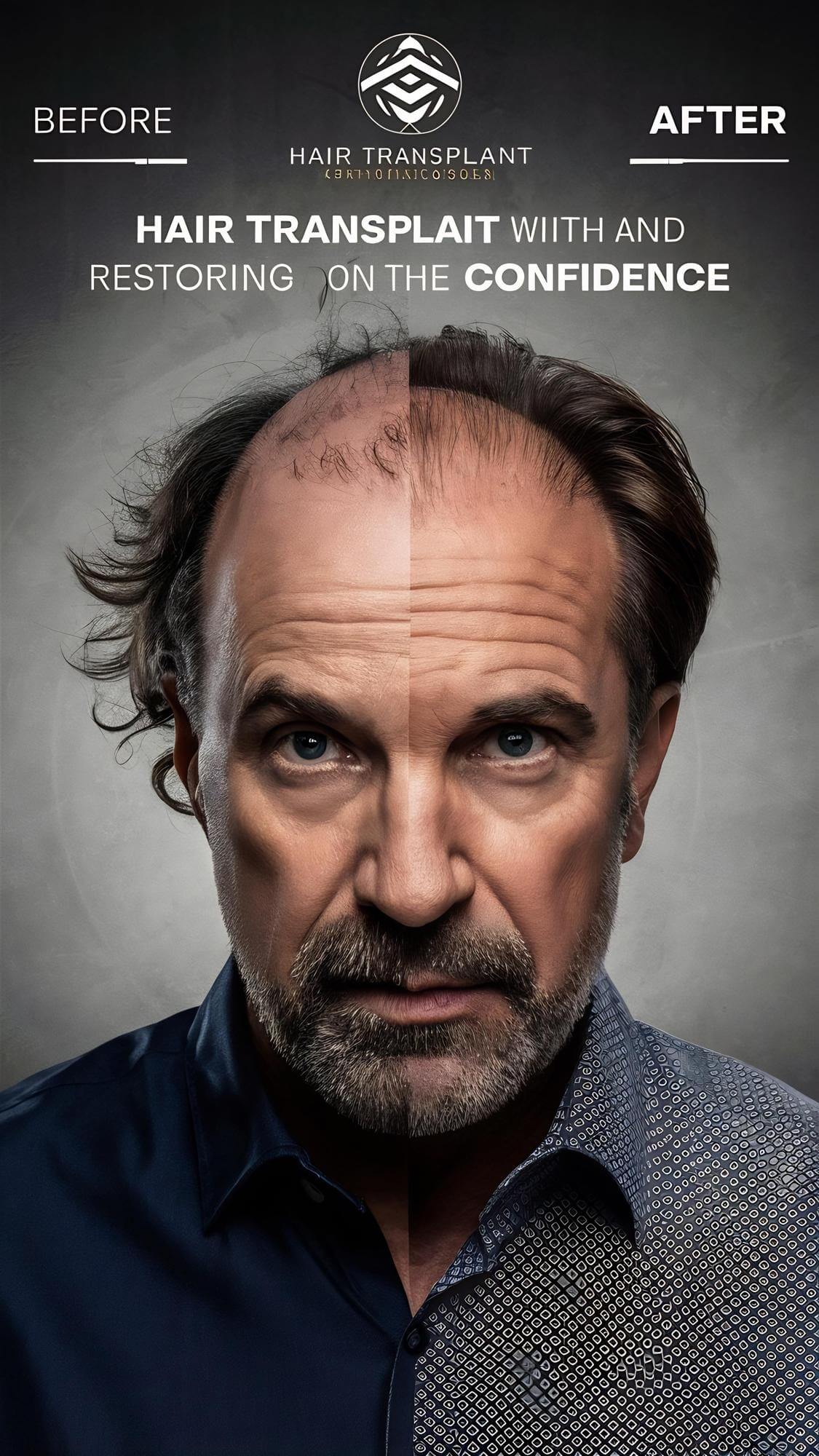
Hairline design is one of the most important parts of the consultation. Many people ask for a lower, denser, or perfectly straight line because that is what they imagine will look youthful. In practice, the most successful results often come from restraint. A natural masculine hairline usually includes slight irregularity, soft transitions, and age-appropriate positioning. Clinics experienced in DHI and Sapphire FUE, including BT Hair Clinic, generally focus on that realism because overly aggressive designs can age poorly and consume grafts that may be needed later.
The procedure itself depends on the chosen method and your treatment plan. Whether DHI or Sapphire FUE is used, the aim is to harvest healthy grafts carefully and place them at angles that mimic natural growth. Recovery requires patience. In the first days, patients may experience redness, scabbing, or swelling. Transplanted hairs often shed before regrowth begins, which can be unsettling if you are not prepared for it. Visible improvement usually takes months, and final maturation can continue well beyond the early growth stage.
No ethical clinic should suggest that surgery is risk-free or suitable for everyone. Potential issues include temporary shock loss, delayed growth, asymmetry if planning is poor, infection risk, or a result that does not meet expectations if the design is unrealistic. This is why assessment, aftercare guidance, and honest communication matter as much as technique. Some patients are advised to postpone surgery, stabilise ongoing hair loss medically, or adjust their goals to fit donor limitations.
If you are considering treatment because you like the natural look often associated with Chris Evans, the useful takeaway is not to copy another person’s exact hairline. It is to understand the principle behind the look: subtle framing, balanced density, and a result that does not draw attention to itself. A tailored plan in experienced hands can aim for that kind of understated improvement while respecting your own hair pattern and long-term needs.
If you would like professional guidance on your own hairline, you can request a free consultation with BT Hair Clinic Antalya. A personalised assessment can help you understand whether DHI, Sapphire FUE, medical treatment, or a combination approach is appropriate for your stage of hair loss.
Frequently Asked Questions
Did Chris Evans confirm having a hair transplant?
There is no widely recognised public confirmation from Chris Evans stating that he had a hair transplant. Most discussion comes from fan comparisons, media speculation, and visual analysis of public appearances over time. Because of that, any claim should be treated carefully and framed as possibility rather than fact.
Why do people think Chris Evans had a hair transplant?
People often point to changes in his temple area and frontal density across different years. In some earlier images, his hairline appears slightly more recessed, while later photos can look fuller or more even. That said, hairstyle, grooming, lighting, and camera angles can strongly affect how much scalp is visible.
What type of transplant would create a subtle result like this?
A subtle, natural-looking result is often associated with modern FUE-based techniques such as DHI or Sapphire FUE. These methods can be suitable for careful temple work and soft frontal restoration. The outcome depends less on the technique name and more on planning, graft placement, donor quality, and realistic hairline design.
Can a transplant make someone look younger without looking obvious?
It can improve facial framing and reduce the appearance of recession, which may create a more refreshed look. The most believable results usually avoid very low or unnaturally dense hairlines. A transplant should aim to match the person’s age, face shape, and expected future hair loss rather than trying to recreate teenage hair.
How long does it take to see hair transplant results?
Most patients do not see immediate cosmetic improvement because transplanted hairs often shed before new growth begins. Early regrowth may appear after a few months, while more noticeable change usually develops later. Full maturation can take many months, and texture and density often continue to improve over time.
Are DHI and Sapphire FUE suitable for every patient?
No single method is ideal for everyone. Suitability depends on donor supply, the size and location of thinning areas, scalp condition, and whether the patient still has active hair loss. A proper consultation helps determine whether DHI, Sapphire FUE, medical treatment, or no surgery at all is the most sensible option.
Is it possible to restore only the temples or front hairline?
Yes, in selected cases, treatment can focus mainly on the temples and frontal hairline. This is common when a patient has early recession but good density elsewhere. The challenge is designing a natural result that blends with existing hair and still looks appropriate if future hair loss progresses.
What should I ask during a hair transplant consultation?
Ask about donor capacity, graft estimates, long-term planning, likely future hair loss, aftercare, risks, and whether non-surgical treatment should be part of the plan. It is also wise to discuss what level of density is realistic. A careful consultation should give you a personalised strategy, not a generic promise.
