
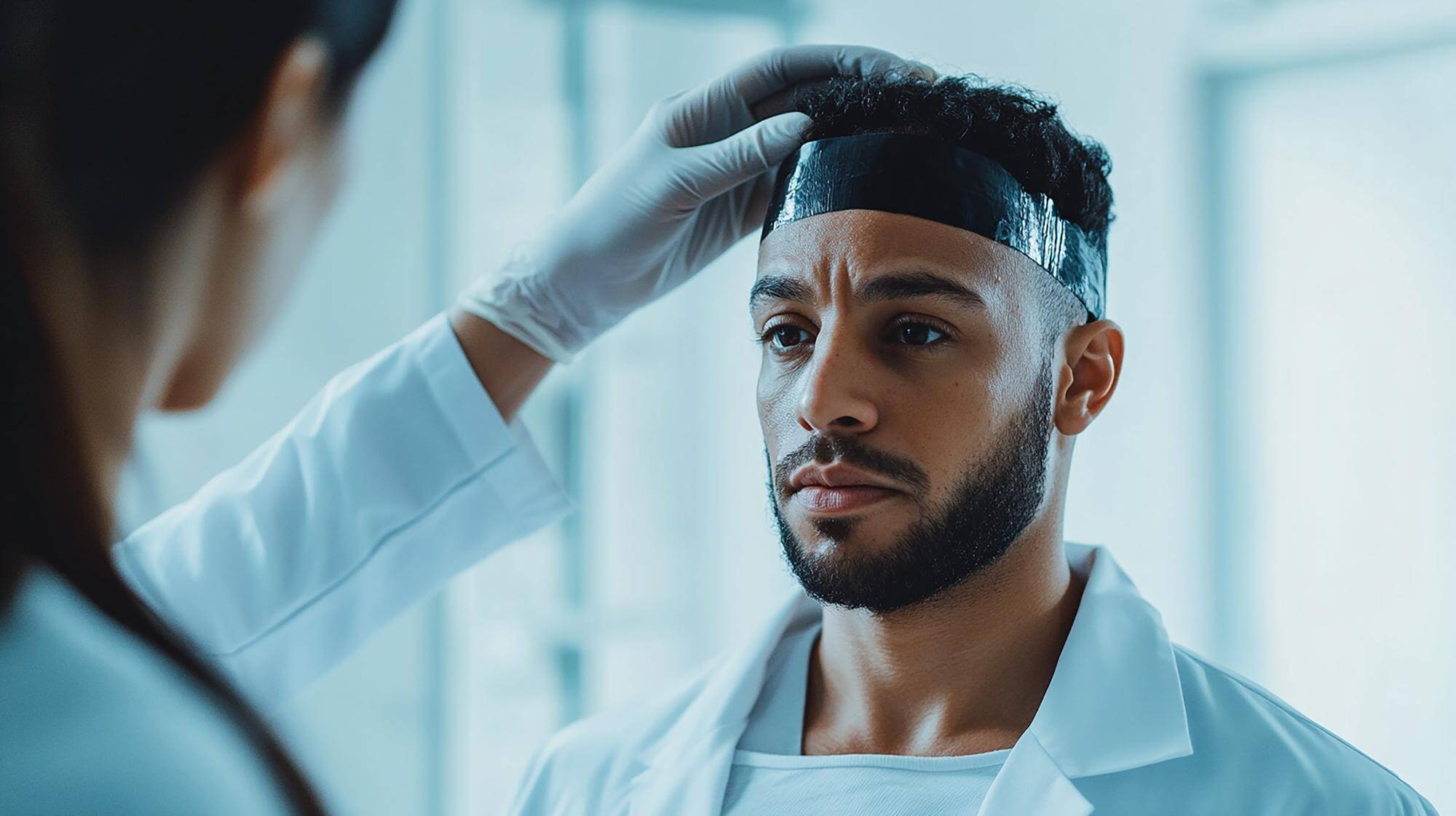
Yes, according to public discussion and widely shared before-and-after images, Andros Townsend appears to have undergone a hair restoration procedure. The Andros Townsend hair transplant story is often cited as an example of how modern treatment can improve hairline definition while keeping a natural look.
For many readers, the interest goes beyond celebrity curiosity. A footballer’s appearance changes under stadium lights, cameras, and constant public attention, so even subtle hair restoration can become highly visible. That makes his case useful for understanding what a realistic transplant result may look like, how techniques are chosen, and why planning matters as much as the procedure itself.
Andros Townsend Hair Transplant Story
Andros Townsend’s hair restoration journey has attracted attention because the visible change seemed gradual, controlled, and consistent with modern transplant work rather than a dramatic overnight shift. Based on publicly available photos and media commentary, observers have suggested that he experienced thinning around the frontal hairline and temple areas before later appearing with improved density and stronger framing around the face. No responsible clinic should present private medical details as fact unless the patient has confirmed them directly, so it is better to view this as a public-case discussion rather than a verified clinical record.
What makes this story interesting is the setting in which the change was noticed. Professional footballers are photographed from every angle, often in bright daylight, under wet conditions, and at high definition. Hair loss that might be easy to hide in ordinary daily life becomes much harder to conceal in televised sport. When a player’s hairline begins to look fuller over time, fans and journalists naturally start speculating. In Townsend’s case, the improvement appears believable because it fits the pattern commonly seen after a well-planned transplant: stronger frontal coverage, cleaner edge design, and a result that still suits the patient’s age and facial proportions.
Another reason his case is often discussed is that it reflects a broader shift in how male hair loss is viewed. Athletes, actors, musicians, and broadcasters are increasingly open to cosmetic and restorative procedures, especially when those treatments offer subtle outcomes rather than obvious transformation. Hair transplantation is no longer seen purely as vanity. For many men, it is tied to confidence, self-image, and feeling more like themselves again. That does not mean every thinning hairline requires surgery. Some patients are better suited to medical treatment, while others need a long-term plan that combines preservation of existing hair with carefully staged restoration.
Industry observers often point to celebrity cases like Townsend’s because they highlight an important truth: the best transplant work usually avoids looking “done.” A natural hairline should not be too low, too dense, or too sharp for the person’s age and facial structure. Good surgeons also consider future hair loss, donor capacity, and the possibility that additional support may be needed later. If Townsend did undergo treatment, the reported outcome suggests a conservative and thoughtful design approach rather than an aggressive cosmetic fix.
For anyone considering a procedure, that is the real lesson. The value of a transplant is not simply adding more hairs. It is restoring balance in a way that still looks credible during exercise, sweating, close-up photography, and everyday life. Public cases can be useful reference points, but your own treatment plan should always be based on your pattern of loss, donor quality, scalp characteristics, and expectations.
Andros Townsend Before and After
Before-and-after analysis tends to drive most online searches about Andros Townsend, and it is easy to understand why. Hairline changes are often clearer in photographs than in interviews or headlines. Based on images circulated over the years, the “before” appearance seems to show recession at the front and corners, with reduced framing around the temples. In later appearances, the hairline looks more structured and visually denser, especially from head-on angles. This kind of enhancement is typical of restorative planning that focuses on the frontal zone, because that area has the strongest effect on how full the hair appears overall.
It is also important to read before-and-after photographs carefully. Lighting, hair length, styling products, camera quality, sweat, and even facial expression can change how hair density is perceived. A player photographed mid-match with wet hair may appear to have more hair loss than he would in a posed image with dry, styled hair. That is why ethical assessment should never rely on one isolated picture. Consistency across different dates, settings, and image types offers a more reliable clue. In Townsend’s case, many observers believe the improvement looks persistent rather than temporary, which is one reason speculation about a transplant has remained strong.
A well-executed “after” result usually shows several features at once. The first is a hairline shape that suits the face rather than drawing attention to itself. The second is softer single-hair placement near the front, avoiding an artificial wall-like edge. The third is blending, where transplanted hairs transition naturally into existing native hair. Publicly discussed images associated with Townsend seem to suggest these principles, which is why his transformation is often described as natural-looking rather than exaggerated.
You should also keep in mind that a before-and-after story rarely tells the full timeline. Transplanted hair commonly sheds in the early weeks before entering a new growth cycle. Noticeable growth often begins after several months, while fuller maturation can take much longer depending on hair calibre, curl, skin characteristics, and the area treated. Celebrity appearances compress that process in the public mind, but real recovery is not instant. Patience matters, and so does proper follow-up care.
For patients comparing their own situation, the key question is not whether your hair can look identical to someone else’s. It is whether a similar level of improvement is realistic for your hair type, donor supply, and stage of loss. Photos may inspire research, but a medical assessment should define what is achievable for you.
Which Hair Transplant Technique Did Andros Townsend Choose?
No publicly verified medical record confirms exactly which method Andros Townsend may have chosen, so any firm claim would be speculative. Still, when specialists look at outcomes discussed in the media, they usually compare them with the features of the most common modern techniques. In celebrity hair restoration, the methods most often considered are FUE-based approaches, including Sapphire FUE and DHI. Both can create refined frontal work, avoid a linear donor scar, and fit the preferences of patients who need discretion around training, travel, and public appearances.
Traditional strip surgery can still be effective in selected cases, but it is less often associated with modern celebrity discussions because many public figures prefer options that minimise visible signs in the donor area when wearing shorter hairstyles. If Townsend did undergo treatment, many industry observers would regard an FUE-based technique as the most likely category. That said, “which technique” is not just about branding. Two patients can receive very different results from the same named method depending on planning, extraction quality, graft handling, hairline design, and post-operative management.
Sapphire FUE refers to follicular unit extraction in which sapphire blades are used during channel creation. Advocates value the precision of incision design and the ability to create controlled, closely planned recipient sites. DHI, or Direct Hair Implantation, uses a specialised implanter approach to place grafts directly into the target zone. This can be especially useful for detailed hairline work or for implanting between existing hairs in areas where preserving native density matters. Public observers who think Townsend’s frontal refinement looks especially clean may point toward one of these methods, but photographs alone cannot confirm the exact protocol.
The better way to approach this question is to ask why a specific method might be selected. Surgeons usually consider the degree of recession, donor hair calibre, curl pattern, scalp flexibility, existing density, and whether the crown also needs treatment. A footballer or highly active patient may also care about practical issues such as hairstyle options, visible evidence of surgery during recovery, and downtime management. The technique should support those needs rather than being chosen because it is fashionable.
If you are researching your own procedure, avoid assuming that a celebrity result came from a single magic technique. The method matters, but surgical judgment matters more. Natural placement, graft survival, donor preservation, and a realistic long-term strategy are what make a result convincing.
Celebrity-Preferred Hair Transplant Techniques (DHI, Sapphire FUE)
When people search for celebrity hair transplants, they are often really asking a broader question: which techniques are favoured when appearance, discretion, and naturalness matter most? Two methods frequently discussed in that context are DHI and Sapphire FUE. Both belong to the modern FUE family, meaning follicular units are extracted individually rather than removed as a strip. This can reduce the likelihood of a linear scar and may suit patients who want the flexibility to wear shorter hair at the back and sides.
DHI is popular for its controlled implantation process. Using an implanter tool, the team can place grafts with attention to angle, direction, and distribution, which is particularly relevant in the frontal hairline and transition zone. Celebrity patients often prioritise these details because their faces are filmed and photographed at close range. A hairline that appears dense but unnatural can be more noticeable than mild recession. DHI can be useful where precision is the main objective, although the right indication depends on the individual scalp and treatment goals.
Sapphire FUE is also widely discussed because it allows careful channel creation with very fine blades. Supporters of the method note that it can help with dense packing strategies and refined recipient-site planning when clinically appropriate. This may be attractive for patients seeking stronger definition in the hairline or added density in focused areas. As with DHI, the result depends less on the label and more on execution. A poorly designed hairline will still look poor, even if an advanced tool was used to create it.
There is another reason these techniques appeal to public figures: they can be adapted to conservative, natural-looking work. Many celebrities do not want friends or fans to notice a procedure itself. They want to look fresher, more balanced, or more like an earlier version of themselves. That usually means avoiding aggressive density, lowering the hairline too much, or rebuilding youthful patterns that do not fit the patient’s current age. Good work respects maturation and future loss.
BT Hair Clinic, based in Antalya, Turkey, works extensively with DHI and Sapphire FUE, and cases like this often help patients understand why method selection should be individual rather than trend-driven. If you are comparing options, ask how the clinic evaluates donor strength, plans for future thinning, and tailors the hairline to your face. Technique names are useful, but they are only one part of a much bigger medical and aesthetic decision.
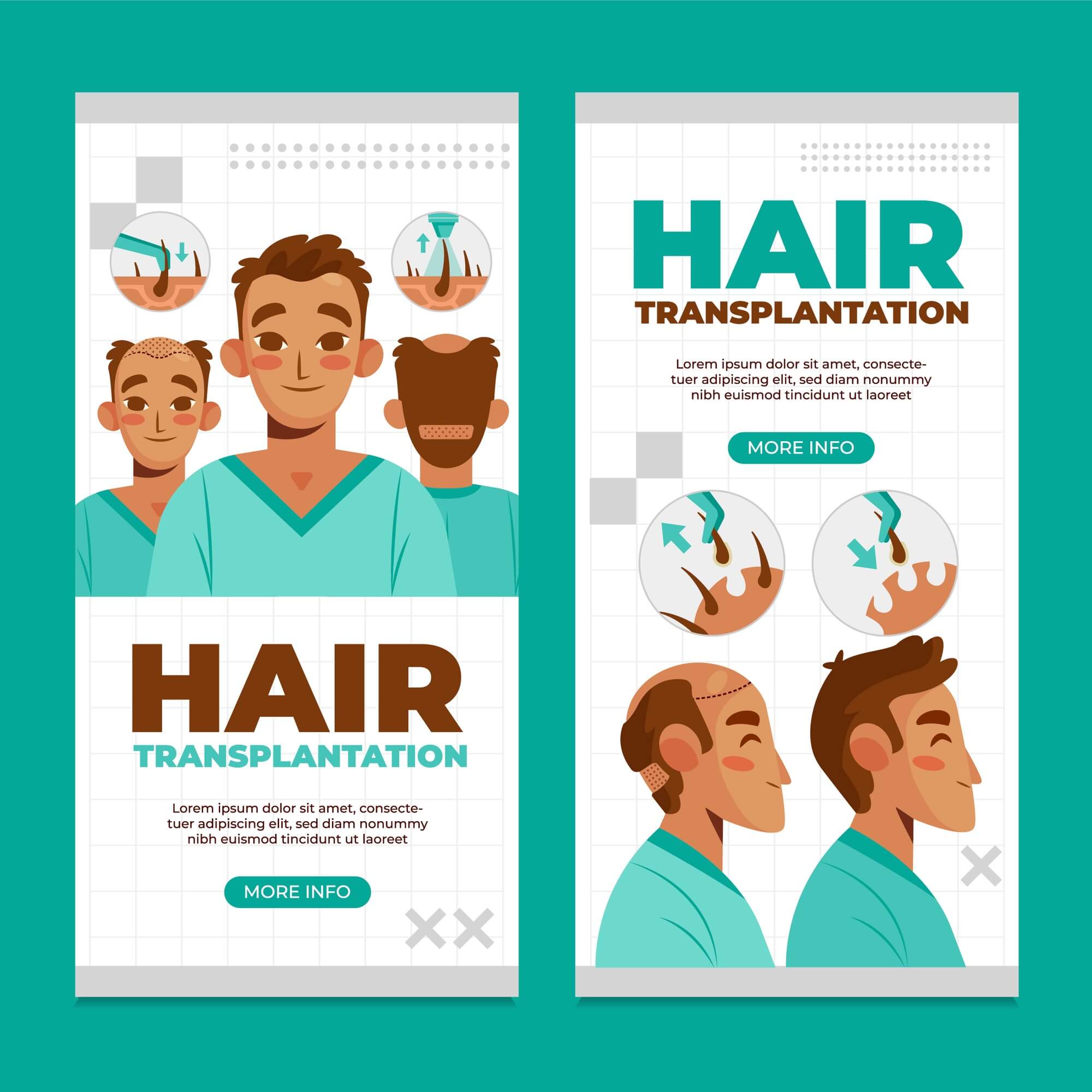
The Hair Transplant Experience at BT Hair Clinic Antalya
For many international patients, understanding the treatment journey is just as important as choosing between DHI and Sapphire FUE. The process usually begins with a consultation, where the medical team reviews your pattern of loss, family history, donor area, scalp condition, and expectations. At BT Hair Clinic in Antalya, Turkey, this stage is used to decide whether surgery is appropriate at all, because not every patient with thinning hair is an immediate transplant candidate. Some need stabilisation first, while others may be advised to take a more conservative approach to preserve donor resources for the future.
Once a patient is considered suitable, planning becomes the central focus. This includes estimating graft needs, mapping the recipient area, and designing a hairline that matches facial proportions and age. A strong clinic should also explain limitations clearly. Donor hair is finite, density has practical limits, and crown work may need a different strategy from frontal restoration. Honest counselling matters because unrealistic expectations can lead to disappointment even when the surgery itself is technically sound.
On the procedure day, local anaesthesia is typically used so the patient remains comfortable and awake. Depending on the treatment plan, the team may perform Sapphire FUE extraction and channel creation or use DHI implantation for selected zones. The choice depends on the case rather than a one-size-fits-all formula. Attention to graft handling, hydration, placement angle, and donor management all influence outcome quality. These points rarely make headlines, but they are often more important than the branding of the technique itself.
Recovery also deserves realistic explanation. Mild swelling, redness, scabbing, and temporary shedding are common parts of the early healing period. The transplanted follicles enter a resting phase before new growth begins, so the first weeks can feel visually discouraging if you were expecting instant density. Patients are usually advised to follow washing instructions carefully, avoid trauma to the grafted area, and return to exercise according to medical guidance. A highly active person, such as an athlete, may need especially clear advice on when to resume training safely.
The longer-term experience is about monitoring progress and protecting existing hair. A transplant moves follicles from one area to another; it does not stop ongoing genetic loss in the rest of the scalp. That is why a good clinic discusses maintenance, realistic timelines, and the possibility of future planning if hair loss continues. If you are considering treatment and want a personalised assessment, BT Hair Clinic Antalya offers a free consultation so you can discuss your hairline, donor area, and suitable options with an experienced team.
Frequently Asked Questions
Did Andros Townsend publicly confirm a hair transplant?
There is widespread public discussion about his apparent hair restoration, but not every celebrity shares full medical details. Unless a direct statement or verified interview is available, it is safer to say that reports and photographic comparisons have led many observers to believe he underwent treatment. Responsible clinics should avoid presenting speculation as confirmed fact.
What type of hair loss did Andros Townsend appear to have?
Based on publicly available images, commentators have suggested recession in the frontal hairline and temple areas. That pattern is common in male pattern hair loss. A formal diagnosis, though, can only be made through a proper medical assessment, since lighting, styling, and natural maturation can all influence how a hairline looks in photographs.
Can a hair transplant look completely natural?
Yes, natural-looking results are possible when the hairline is age-appropriate and grafts are placed with careful attention to angle, direction, and density. The most convincing outcomes usually avoid an overly straight or very low hairline. Natural appearance depends on planning, surgeon experience, donor quality, and realistic expectations rather than the technique name alone.
How long does it take to see full hair transplant results?
Initial shedding often happens in the first weeks, which can surprise patients who expect immediate growth. New hairs commonly start emerging after several months, and improvement continues gradually. Full maturation may take up to a year or longer in some cases, depending on the person’s hair characteristics, healing pattern, and the area that was treated.
Is DHI better than Sapphire FUE?
Neither method is automatically better for every patient. DHI can be useful for precise implantation and selected dense or detail-focused areas, while Sapphire FUE can support careful channel creation and broad planning. The right choice depends on your pattern of loss, donor characteristics, existing hair, and the clinic’s treatment strategy. Assessment should always come before technique selection.
Do celebrities recover faster from hair transplants?
Celebrities do not heal by different biological rules. They may have better access to scheduling flexibility, private recovery time, and professional grooming, which can make the process seem easier from the outside. The normal healing phases still apply: redness, scabbing, shedding, and gradual regrowth. Recovery should always be guided by medical advice, not by public appearances.
Are there risks with hair transplantation?
Yes. As with any medical procedure, risks can include swelling, discomfort, infection, poor growth, shock loss, unnatural design, or visible donor thinning if planning is weak. These issues are not inevitable, but they are real. A thorough consultation, proper case selection, and careful aftercare can reduce risk, though no clinic should describe surgery as risk-free.
Am I a good candidate if my hairline resembles his?
Not necessarily, but it may be a useful starting point for discussion. Candidacy depends on donor density, scalp condition, age, pattern of loss, medical history, and future progression risk. Two people with similar-looking recession can require very different plans. A personalised consultation is the best way to learn whether transplant surgery is appropriate in your case.
