
Antonio Conte appears to have undergone hair restoration, based on widely circulated photos and public discussion over the years. The Antonio Conte hair transplant story is often cited because his transformation seemed visible during different stages of his career, from his playing days to his time as a high-profile football manager.
While only the individual and his medical team can confirm the exact details, many observers point to his case as an example of how surgical hair restoration can improve density and framing around the hairline. For readers considering treatment themselves, his apparent change raises useful questions about timing, technique, maintenance, and realistic expectations.
Antonio Conte Hair Transplant Story
Antonio Conte’s hair restoration story has attracted attention for years because the contrast between earlier and later public appearances appears quite noticeable. In older photographs, he seemed to show advanced hair thinning, particularly across the top and front of the scalp. In later images, his hair looked fuller and more structured, which led many commentators and football fans to speculate that he had chosen surgical treatment rather than relying only on styling products or non-surgical camouflage.
According to public reporting and long-running media interest, Conte himself has spoken in the past about addressing hair loss, which is one reason his case remains so widely discussed. Public figures are constantly photographed under bright lights and from multiple angles, so changes in hair density tend to be observed quickly. That makes celebrity cases useful examples, although they should still be viewed cautiously. Lighting, haircut choices, hair fibres, medical therapy, and image quality can all influence how much density appears to be present in a photograph.
Another reason his story stands out is the apparent long-term nature of the result. Many celebrity transformations attract headlines for a few months and then fade from discussion. Conte’s name, by contrast, has stayed in the conversation because his hair has looked stronger over an extended period, suggesting not just a one-time intervention but potentially a broader approach to managing hair loss. That could include surgery, medication, careful aftercare, or additional procedures over time. Without direct medical records, no responsible writer should present any of that as certainty, but it is a realistic framework for understanding how many public figures maintain visible results.
His case also highlights a point many patients overlook: hair transplantation is not usually about creating the hairline of adolescence. The goal is generally to improve density and shape in a way that looks believable for the person’s age, facial structure, and future pattern of loss. Looking at Conte’s apparent evolution, the result often discussed by observers is not dramatic excess, but rather a more stable and balanced appearance. That is often the sign of thoughtful planning.
For anyone researching treatment, the bigger lesson is not whether a celebrity changed his appearance. It is how public examples can help set expectations. Hair restoration can make a substantial cosmetic difference, but it works within biological limits such as donor capacity, hair calibre, scalp contrast, and progression of androgenetic alopecia. A careful clinic will assess all of those factors before recommending surgery.
Antonio Conte Before and After
When people search for Antonio Conte before-and-after images, they are usually trying to understand whether the change could plausibly come from a transplant. Based on publicly available photos, the earlier stage appears to show significant thinning and recession. In later years, his frontal hairline and mid-scalp seem denser, with stronger coverage that frames the face more effectively. For many viewers, that pattern looks consistent with restored graft placement in key cosmetic areas.
Before-and-after comparisons should always be interpreted carefully. A photograph taken from above in harsh light can make thinning appear more severe, while a front-facing image with dry, styled hair can make the same person look much fuller. Beard growth, facial expression, camera distance, and hair length can also change overall appearance. Even so, when improvements are repeated across many public appearances over time, people naturally become more confident that a real intervention likely took place.
One of the more interesting aspects of Conte’s apparent result is the way density seems to support his natural features rather than dominate them. A successful transplant usually does not draw attention to itself. Instead, it reduces the visual impact of baldness and allows the face to become the focus again. If you study celebrity cases, the most convincing outcomes often appear conservative at the hairline while building support just behind it. That approach can create the impression of fullness without exhausting donor hair too aggressively.
Another point worth considering is the passage of time. Immediate after photos can be misleading because transplanted hair needs months to grow, mature, and soften. Public figures are seen year after year, which gives a better sense of whether the result remains consistent. Conte’s later images are often discussed precisely because the fuller appearance does not seem limited to a single event or isolated camera angle.
Patients sometimes arrive at clinics wanting a celebrity “before and after” recreated exactly. That is rarely appropriate. Hair characteristics differ significantly from person to person, including curl, thickness, colour, donor strength, and degree of miniaturisation. A useful before-and-after comparison should inspire realistic questions: How much improvement is possible? Where should grafts be concentrated? What style of hairline would suit the face? Those are better goals than chasing a copy of someone else’s scalp.
Which Hair Transplant Technique Did Antonio Conte Choose?
No clinic record in the public domain definitively confirms which procedure Antonio Conte may have had, so any answer must remain informed speculation. Based on the visible improvement often discussed in media and among hair restoration observers, many would assume a modern follicular unit-based approach rather than older punch-graft methods. The most likely categories would be FUE-related techniques or, depending on timing, possibly an earlier generation method followed by refinements later.
Why does this matter? Because the style of result seen in public photos appears more in line with natural graft placement than the plug-like appearance associated with outdated surgery. Modern hair transplantation focuses on extracting and implanting naturally occurring follicular units, usually containing one to four hairs. In the frontal hairline, single-hair grafts are often used to create softness, while denser groupings may be placed behind them for volume. If Conte underwent treatment that produced the look many observers describe, careful distribution would have been a major part of the planning.
There is also the question of whether one procedure was enough. Patients with more advanced thinning sometimes need a staged approach, especially if they begin with a large area of loss. A surgeon may restore the frontal zone first, then address the mid-scalp or crown later depending on donor reserves and future shedding. That is one reason celebrity results can look more refined over time. What appears to be a single transformation may actually reflect a long-term plan.
Another factor is medical support. Hair transplantation relocates existing follicles; it does not stop the genetic process affecting native hair. For that reason, doctors often discuss supportive treatments where appropriate, such as approved medication or adjunctive therapies, though suitability varies by patient. If a public figure maintains a stable look for many years, observers may reasonably suspect that ongoing hair-loss management played a role alongside surgery.
For readers weighing options themselves, the key takeaway is not to guess which celebrity had which method. It is to understand that the best technique depends on your scalp, donor quality, pattern of loss, and expectations. A good consultation should explain why a particular method is recommended, what density is achievable, and what limitations exist. Technique names matter, but planning matters more.
Celebrity-Preferred Hair Transplant Techniques (DHI, Sapphire FUE)
Among well-known patients and everyday patients alike, two of the most talked-about contemporary methods are DHI and Sapphire FUE. These techniques are often associated with natural-looking outcomes when performed on suitable candidates by experienced teams. Celebrity interest tends to follow treatments that offer minimal visible scarring, flexible design in the front, and a recovery profile that may fit demanding public schedules.
DHI, short for Direct Hair Implantation, involves placing extracted grafts using a specialised implanter tool. One reason people are drawn to DHI is the level of placement control it can offer, particularly in refining angles, direction, and density in smaller or highly visible areas such as the hairline. It can be useful when a surgeon wants careful artistic handling of the frontal zone. That said, DHI is not automatically better for every patient or every pattern of baldness. Suitability depends on the treatment area, graft count, scalp characteristics, and the clinic’s workflow.
Sapphire FUE is another popular option. In this approach, follicular units are extracted individually as in standard FUE, and recipient sites are created using sapphire-tipped blades rather than traditional steel. Supporters of the technique often value the precision of channel creation and the potential for dense, well-organised placement. As with DHI, the instrument alone does not guarantee quality. The decisive factors remain donor management, graft handling, hairline design, and the experience of the surgical team.
Why are these methods frequently linked to celebrity cases? Public figures often want results that look discreet and age-appropriate, with no obvious signs of cosmetic work once healing has progressed. DHI and Sapphire FUE both fit within the broader move toward more refined transplantation. They can support natural growth patterns when properly indicated, but neither can overcome poor planning or unrealistic expectations.
BT Hair Clinic, based in Antalya, Turkey, works with both DHI and Sapphire FUE techniques, which reflects the way modern clinics tailor treatment to the individual rather than forcing every patient into one method. For anyone inspired by a celebrity transformation, the practical question is not which buzzword sounds most advanced. It is which technique best suits your donor area, degree of loss, desired hairline, and long-term strategy.
The Hair Transplant Experience at BT Hair Clinic Antalya
For patients considering treatment after seeing cases like Antonio Conte’s, the clinic experience matters as much as the chosen technique. A proper hair transplant journey starts with assessment, not surgery. At BT Hair Clinic in Antalya, Turkey, that means evaluating the pattern of loss, the quality of the donor area, scalp health, family history, and the patient’s goals. Some people are strong candidates for surgery; others may be advised to delay treatment, stabilise shedding, or rethink their expectations.
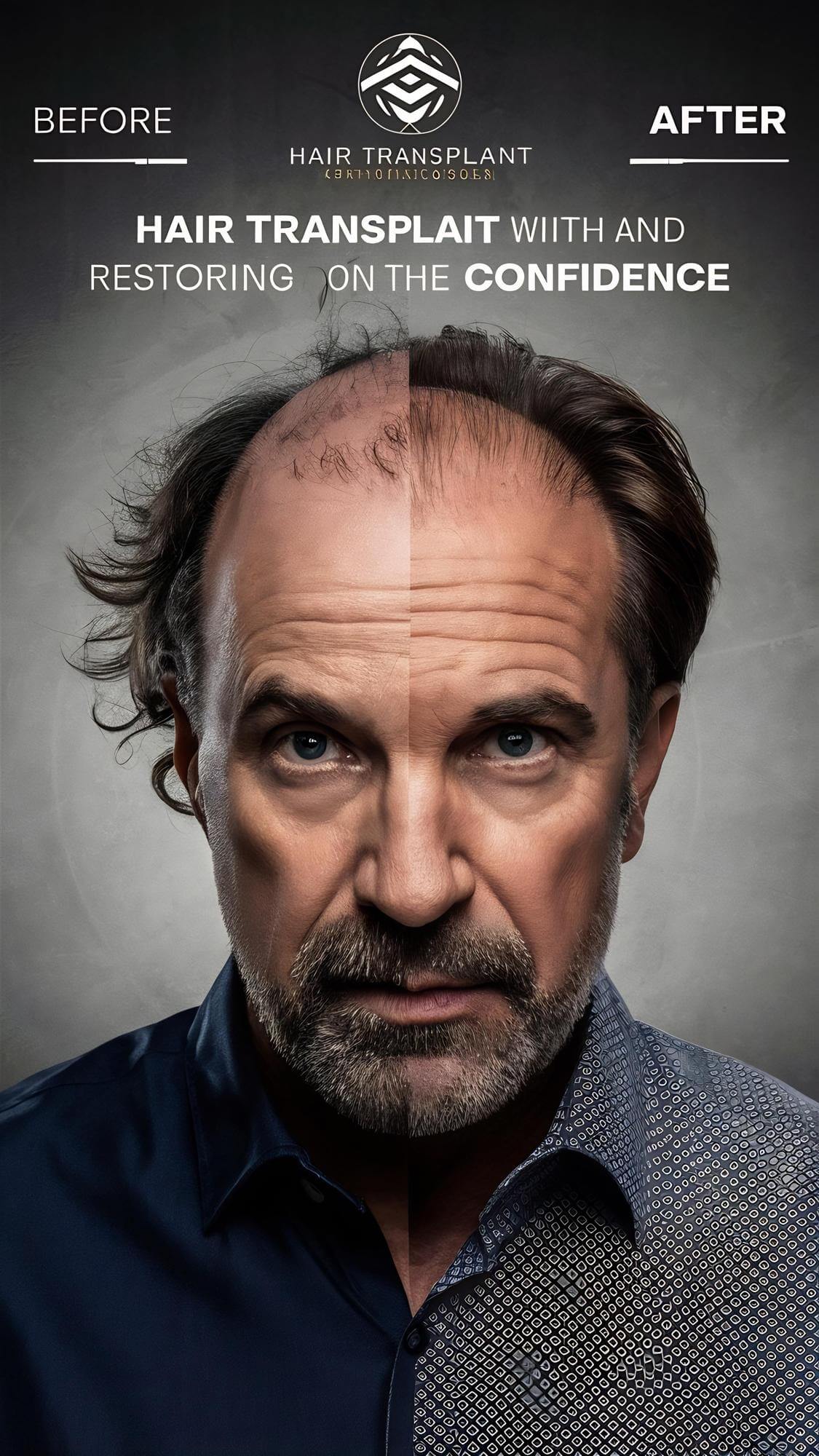
A responsible consultation should cover hairline design in detail. This is one of the most important parts of any transplant because the frontal zone shapes the whole face. An experienced team will usually avoid drawing a hairline that is too low, too straight, or too dense for the available donor supply. Patients who come in with celebrity photos can still benefit from the discussion, but the plan should be based on what suits their own anatomy and future hair-loss pattern.
On the treatment day, the process typically includes preparation of the donor area, local anaesthesia, extraction of follicular units, and implantation according to the chosen method, such as DHI or Sapphire FUE. The exact flow can vary. What should not vary is attention to graft survival, sterile technique, and the orientation of each implanted follicle. Tiny differences in angle and direction have a major impact on whether the final result looks soft and believable.
Recovery is another area where patients need realistic information. Transplanted grafts usually shed before new growth begins, and visible improvement takes time. Redness, scabbing, and temporary sensitivity are common in the early stage. There are also risks, including uneven growth, shock loss, infection, swelling, or a result that falls short of expectations. Good clinics explain these issues clearly rather than presenting surgery as a simple beauty treatment.
Long-term thinking is especially important for men with ongoing androgenetic hair loss. A transplant can improve a thinning area, but it does not freeze time. Patients may need ongoing monitoring and, where medically appropriate, supportive treatment to help preserve surrounding native hair. That measured approach is often what separates a short-lived cosmetic fix from a result designed to age well over the years.
If you are comparing your own situation to public figures, a personalised assessment is the best next step. You can arrange a free consultation with BT Hair Clinic Antalya to discuss your hair loss pattern, donor capacity, and whether DHI or Sapphire FUE may be appropriate for your goals.
Frequently Asked Questions
Did Antonio Conte definitely have a hair transplant?
There is strong public speculation based on before-and-after photos and past reporting, but only Antonio Conte and his medical team could confirm the exact details. The visible change in density has led many observers to believe he underwent hair restoration. It is best to treat online claims as informed opinion rather than verified medical fact.
Why is Antonio Conte’s hair often discussed in transplant circles?
His case is frequently mentioned because the apparent transformation seems substantial and long-lasting. Earlier images appear to show advanced thinning, while later appearances suggest fuller coverage in the frontal and top areas. That kind of visible change naturally attracts attention from people researching what modern hair restoration can realistically achieve.
Could Antonio Conte’s result have come from non-surgical treatment alone?
Non-surgical options can improve hair quality and slow ongoing loss in some patients, but they usually have limits, especially in areas with advanced thinning or baldness. Based on public images alone, many people feel surgery is a plausible explanation for Conte’s apparent increase in density. Still, photographs cannot reveal the full treatment plan with certainty.
Which technique usually gives the most natural celebrity-style result?
Natural outcomes depend more on planning and surgical skill than on branding alone. DHI and Sapphire FUE are both widely used for refined, natural-looking work when matched to the right candidate. Hairline design, graft handling, angle of placement, and donor management are usually more important than simply choosing the newest-sounding technique.
How long does it take to see hair transplant results?
Most patients do not see the final picture quickly. Transplanted hairs often shed in the first weeks, then begin regrowing over several months. Noticeable improvement commonly starts around the mid-stage of recovery, while fuller maturation may take up to a year or sometimes longer, depending on the person and the treated area.
Can one transplant solve hair loss permanently?
A transplant moves follicles from a donor area that is usually more resistant to hair loss, but it does not stop continued thinning in untreated native hair. That means a person may still experience changes over time. Some patients maintain a good result for years, while others may need medical support or additional planning later.
Is a celebrity result a good template for my own transplant?
Celebrity examples can be useful for understanding what is possible, but they should not be copied directly. Your donor supply, hair texture, scalp contrast, age, and pattern of loss are unique. A suitable plan should be designed around those factors, not around recreating someone else’s exact hairline or density.
What should I ask during a consultation?
Ask about your donor capacity, the likely number of grafts, whether DHI or Sapphire FUE is more appropriate, expected density, recovery stages, possible risks, and how future hair loss may affect the plan. You should also ask to see genuine case examples and discuss what result would look natural for your face and age.
